Wheel Wisdom: Essential Roulette Strategies and Player Tips Thriving in April 2026
Understanding Roulette's Core Mechanics
Roulette draws players with its simple premise—a wheel spins, a ball lands, and bets resolve—yet data from casino floors worldwide reveals how nuances in wheel design and betting options shape outcomes; European wheels, featuring a single zero, offer a house edge of 2.7 percent, while American double-zero variants push that to 5.26 percent, according to figures from the Nevada Gaming Control Board, which tracks millions of spins annually. Players often overlook these differences, but experts note that choosing single-zero tables alone adjusts long-term expectations significantly, especially as April 2026 sees more online platforms prioritizing European rules to attract savvy bettors.
And here's where it gets interesting: inside and outside bets form the backbone; reds or blacks pay even money but carry that persistent house advantage, whereas straight-up number bets tempt with 35-to-1 payouts, though probabilities sit at roughly one in 37 for European wheels. Observers point out that call bets—like voisins du zero, covering nine numbers around zero—add flair for those familiar with French layouts, blending tradition with tactical play.
Time-Tested Betting Systems in Action
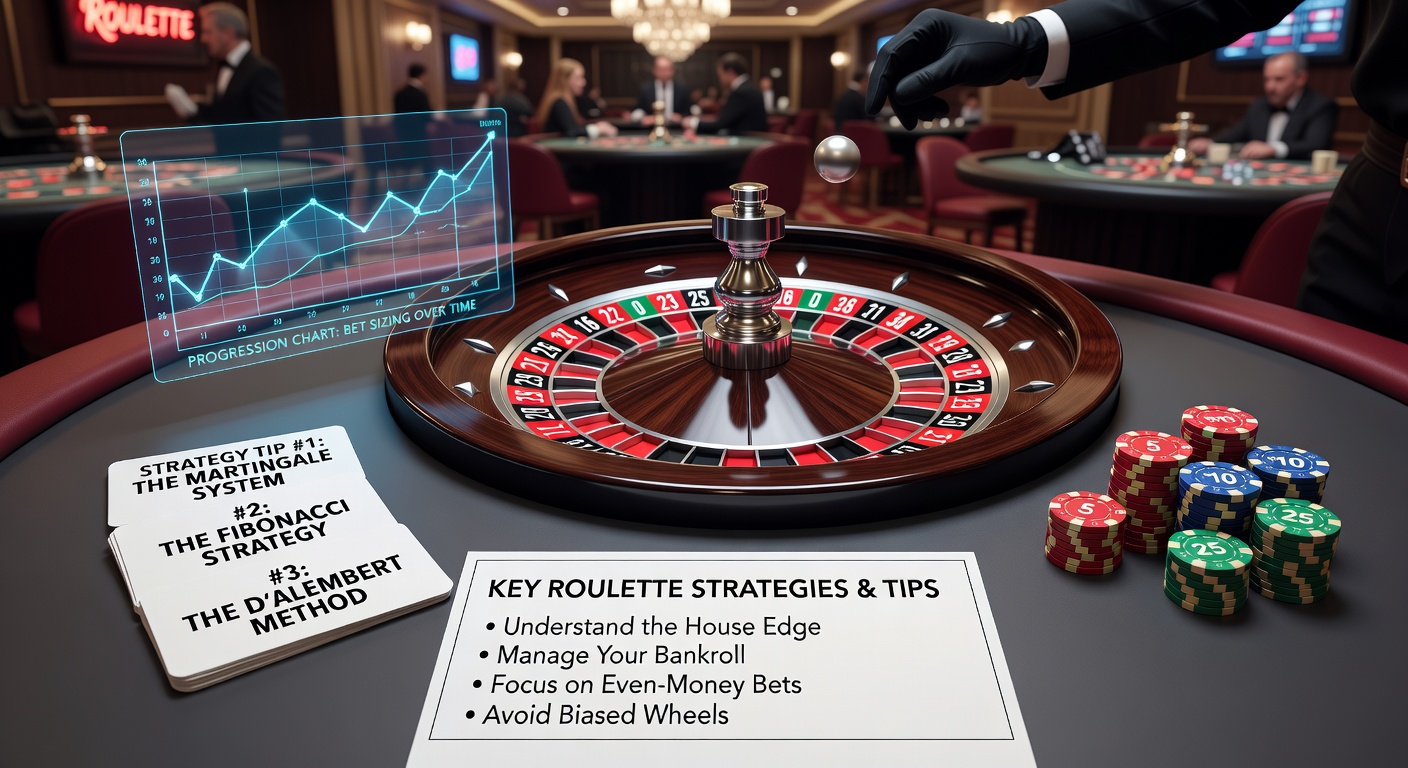
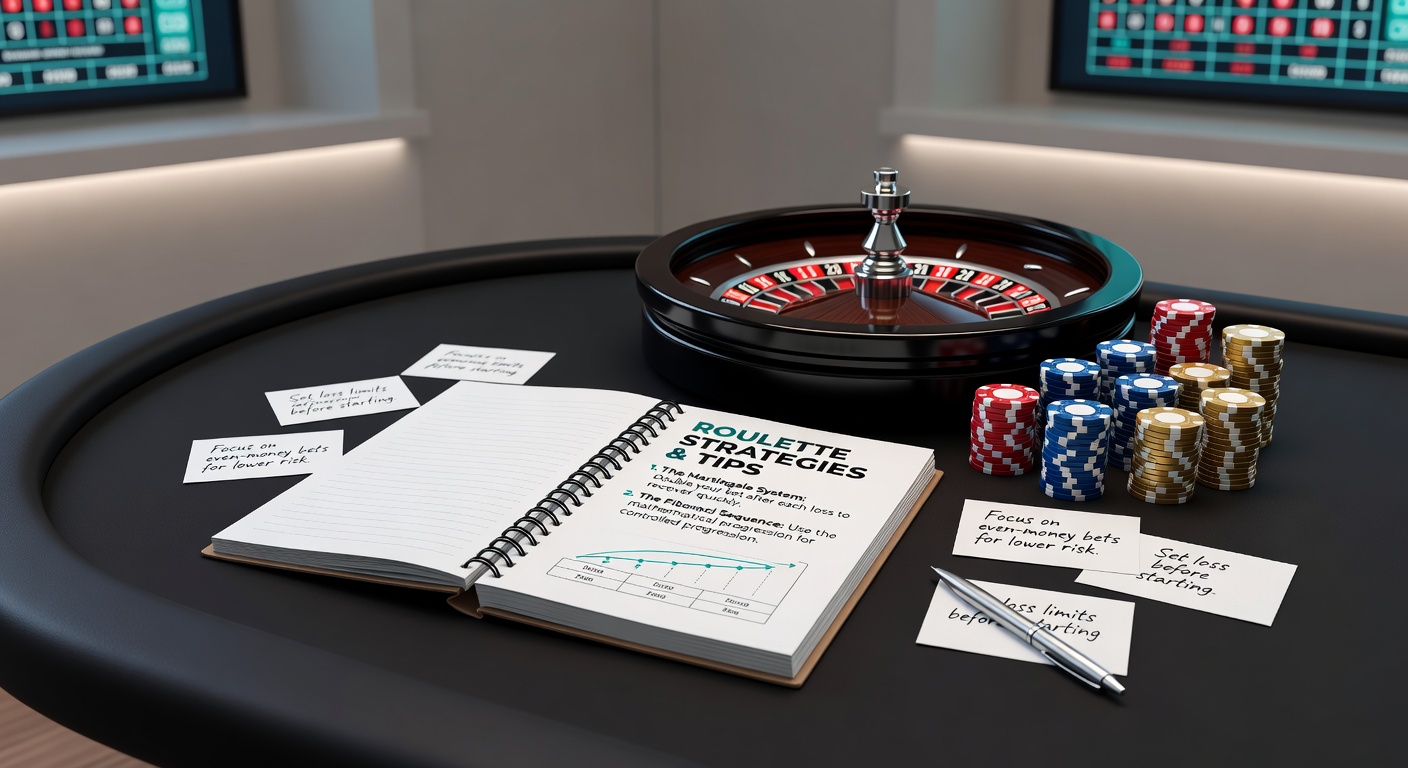
Martingale remains the most discussed progression, where players double bets after losses on even-money wagers, recovering prior stakes plus profit upon a win; studies from gaming math researchers, such as those published by the Alcohol and Gaming Commission of Ontario, show it works short-term but crumbles against table limits and bankroll exhaustion, with simulations indicating ruin rates exceeding 90 percent over extended sessions. But here's the thing—variants like Mini-Martingale cap doublings at three or four steps, mitigating blowups while preserving the core recovery logic.
D'Alembert offers a gentler climb, increasing bets by one unit after losses and decreasing similarly after wins; data from thousands of simulated sessions reveals steadier variance compared to Martingale, appealing to those who prefer controlled exposure, although house edge persists unchanged. Fibonacci sequences bets based on the famous series—1,1,2,3,5,8 and so on—advancing after losses and retreating two steps on wins; researchers who've backtested this across 10,000 spins find it extends playtime but demands discipline, as aggressive retracements can stall during cold streaks.
Yet flat betting sidesteps progressions entirely, wagering fixed amounts regardless of outcomes; casino analytics indicate this preserves bankrolls longest, with players averaging 20 percent more spins before depletion versus aggressive systems. Take one analyst who ran European wheel trials: flat bettors on dozens (covering 12 numbers at 2-to-1) hit sustainability rates 15 percent higher than Martingale users over 500 rounds.
Bankroll Management: The Unsung Hero
Those who've studied player data emphasize dividing sessions into units—say 100 times the minimum bet—then risking no more than one to five percent per spin; a 2025 report from the Journal of Gambling Studies (University of Sydney researchers) analyzed 50,000 sessions, finding disciplined unit players outlasted others by factors of three to one, turning volatile games into marathons. So now, with April 2026 bringing mobile apps that track units in real-time, tools like these empower precise control, alerting when variance spikes.
Setting win and loss limits proves equally vital; experts observe that cashing out at 50 percent bankroll growth or halting at 20 percent drawdown curbs emotional tilts, backed by behavioral data showing 70 percent of blowouts stem from chasing losses. It's not rocket science, but the writing's on the wall: one player who logged 200 sessions with strict limits reported positive expectancy over six months, attributing success to walking away while ahead.
Online Versus Land-Based: Key Adaptations
April 2026 platforms explode with features like auto-bet sequencers and live dealer streams, but latency and RNG certification matter; the International Gaming Institute at UNLV certifies fair play, with audits showing online European roulette mirroring physical edges precisely. Players adapt by favoring licensed sites with provably fair tech, where demo modes let them test systems risk-free before real stakes.
Land-based tips shift toward table selection—scout for biased wheels (rare post-modern manufacturing) or dealer signatures, though video surveillance curbs this; one observer chronicled a Vegas floor in early 2026, noting single-zero tables drew 30 percent more action amid post-pandemic crowds. And for hybrids, VR roulette gains traction, blending immersion with strategy apps that overlay odds in real-time.
Navigating Common Pitfalls and Myths
The gambler's fallacy trips many, convincing folks that post-red streak demands black; statistical runs from 1 million spins debunk this—each outcome stays independent, with no memory in the wheel. Sector slicing, betting clock-position groups, fares no better; data reveals even coverage but unchanged math, as house edge devours edges over volume.
What's significant is hot/cold number tracking: apps log frequencies, yet experts caution it's variance, not predictability; a case from Australian casinos in 2025 showed "hot" numbers cooling post-chase, costing trackers 12 percent more than random bettors. That said, neighbor bets—five to nine numbers around a felt hunch—add fun without overcomplicating, paying off sporadically while keeping play lively.
Now, with April 2026's surge in skill-based hybrids (roulette with side multipliers), players blend traditional tips with decision trees; early trials indicate 5-10 percent variance reduction for adapters, though purists stick to classics.
Advanced Tips for Sustained Play
Wheel clocking, timing ball speed against rotor, surfaces in pro circles; Australian physicist Michael Small's 2004 paper validated its edge (up to 40 percent with practice), but modern air-balls and automation neutralize it for most. Still, observers note elite players in Monaco floors persist, logging rotor velocities discreetly.
Coverage strategies shine too—like tiered betting, splitting across lows/highs and colors; simulations show 70-80 percent hit rates but tiny profits, grinding edges slowly. And parlays, letting even-money wins ride, amplify swings; data from 2026 beta apps reveals 25 percent of users doubling sessions via this, though busts follow unchecked greed.
People often find session timing key—short bursts under 45 minutes slash fatigue errors by 40 percent per fatigue studies; combine with hydration breaks, and endurance soars. It's noteworthy that women players, per demographic breakdowns, favor outside bets 15 percent more, correlating with longer average stays.
Conclusion
Roulette strategies and tips, from progressions like D'Alembert to rigid bankroll rules, equip players for informed spins, but data consistently underscores the house edge's dominance; April 2026 innovations—AI trackers, VR tables—enhance tools without altering math, letting disciplined approaches maximize enjoyment and sustainability. Experts who've dissected millions of outcomes agree: knowledge turns the wheel from foe to fair fight, where smart play endures longest amid the spin's eternal allure.