Wheel Warriors: Battle-Tested Roulette Strategies and Smart Tips for 2026 Tables
Grasping the Core Mechanics and Odds
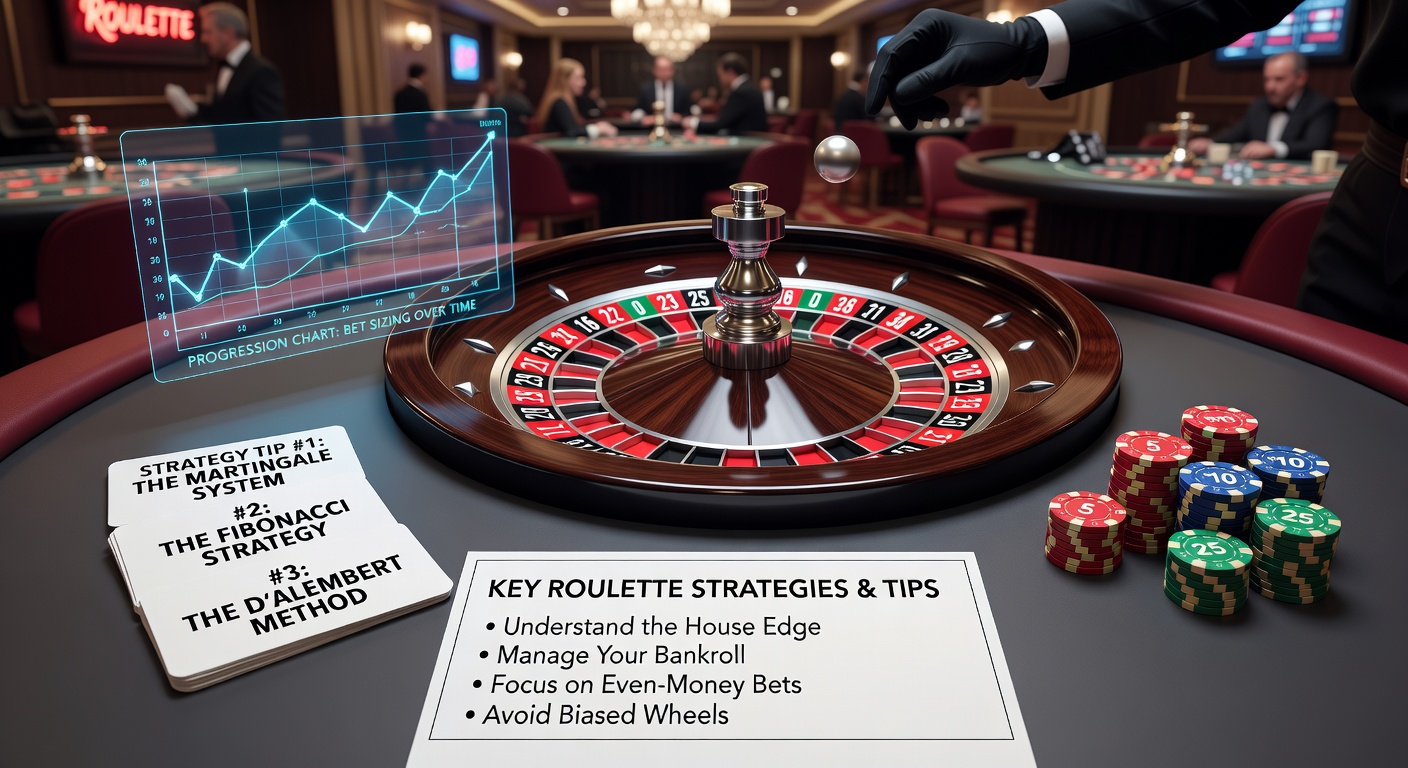
Roulette wheels spin relentlessly in casinos worldwide, drawing players with the allure of quick wins, yet data from longstanding studies reveals the house always holds a mathematical edge; European roulette carries a 2.7% house edge on most bets because of the single zero, while American versions push that to 5.26% thanks to the double zero, a fact Nevada Gaming Control Board records consistently highlight in their operational reports. Players who grasp these odds upfront adjust expectations accordingly, focusing on bets like even-money options—red/black, odd/even, high/low—where payouts sit at 1:1 but losses still favor the house over time.
What's interesting is how wheel design influences outcomes; the 37 pockets in European wheels (numbers 0-36) mean any single number bet pays 35:1, yet the zero ensures the casino's advantage persists, a principle researchers at universities like those in Nevada have dissected in probability models for decades. And while randomness rules each spin—independent events with no memory of prior results—observers note patterns in player behavior, like chasing losses, that amplify risks unnecessarily.
Time-Honored Betting Systems in Play
Martingale stands as the most discussed strategy, where bettors double stakes after every loss on even-money bets until a win recoups all prior outlays plus profit; take one player who starts with £10 on red, loses, then bets £20, loses again, hits £40 on the next spin—suddenly they're even, but a long losing streak drains bankrolls fast since table limits cap doubling runs around 7-8 steps typically. Data indicates this system's flaw lies in its exponential growth, clashing with finite funds and maximum bets, as simulations from gaming math experts confirm house edges erode gains eventually.
D'Alembert offers a milder approach, increasing bets by one unit after losses and decreasing by one after wins, a progression that feels safer for cautious players; for instance, someone betting five units loses, goes to six, loses again at seven, then wins and drops to six—netting smaller swings but still battling that persistent house edge. Reverse versions flip the script for hot streaks, yet studies show no system overcomes the inherent odds long-term, a reality Australian Gambling Research Centre analyses underscore through behavioral data.
- Paroli ramps up during wins, betting profits alongside base stakes for streaks, then resetting—ideal when wheels seem hot.
- Labouchere involves crossing off numbers on a sequence after wins, adding after losses; one sequence like 1-2-3-4 means £1+£4 initial bet, win crosses them, loss adds to end.
- Fibonacci follows the numeric series (1,1,2,3,5...), advancing on losses, retreating two steps on wins—slower than Martingale but vulnerable to extended cold runs.
Turns out these systems thrive in short sessions, where variance swings favorably, but extended play tilts toward the house; experts who've crunched thousands of spins via software affirm as much, noting disciplined application matters more than the method itself.
Bankroll Mastery: The Unsung Hero of Sessions
Those who treat roulette like a marathon set session bankrolls at 100-200 units minimum, betting 1-2% per spin to weather variance; picture a £500 roll divided into 250 £2 units—enough for 20-30 hours if Lady Luck hides, allowing exits before ruin hits. Research shows players sticking to this rule extend playtime threefold compared to all-in chasers, preserving capital across multiple visits.
But here's the thing: setting win/loss limits proves crucial; one observer tracked a group capping daily wins at 50% of bankroll, walking away up £250 on a £500 start, while loss limits at 20-30% prevent tilt-induced spirals. Tools like unit tracking apps help, logging every bet to spot leaks early, and dividing time into 30-45 minute bursts with breaks keeps decisions sharp—fatigue data from casino studies links it to 15% more errors after two hours.
Navigating Game Variations and Table Choices
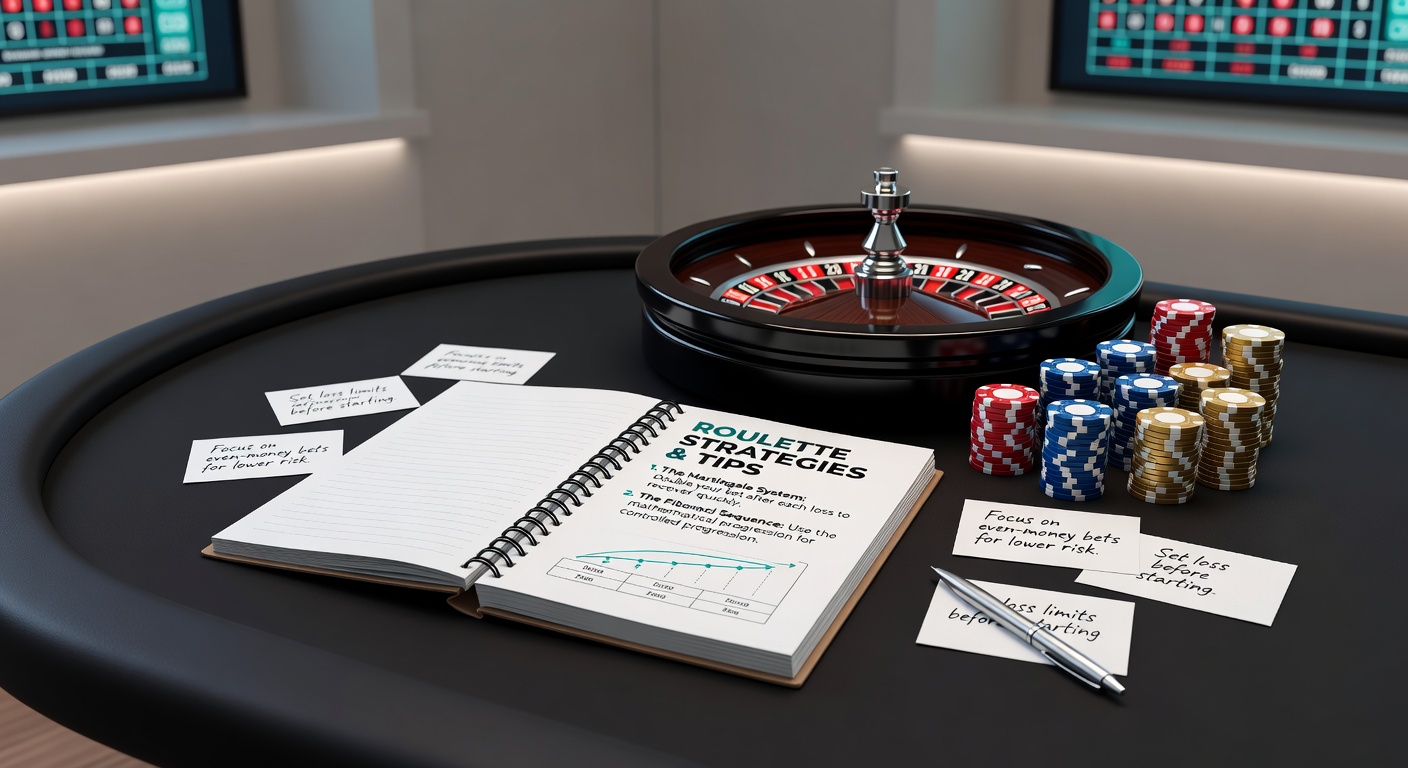
European or French roulette tops choices for better odds, with "La Partage" or "En Prison" rules halving losses on even-money zero hits—effectively slashing house edge to 1.35%; players at such tables in March 2026 online platforms report longer sessions, as live dealer streams from Malta-licensed sites proliferate. American wheels, common in US spots, demand caution due to that extra zero, yet some find value in triple-zero "Sahara" variants sparingly, where low-house bets still shine.
Online versus land-based shifts dynamics too; RNG audits ensure fairness, per regulatory checks, while live games let observers scan dealer signatures—subtle wheel biases from wear, though modern tech minimizes this. One study revealed skilled watchers spotting sector tendencies in physical wheels, upping edge bets slightly, but digital uniformity levels the field, pushing focus to pure math.
Now, March 2026 brings fresh wrinkles: multi-wheel live roulette explodes, letting synced bets across wheels for scaled action, and VR tables immerse players deeper, yet core odds hold firm across formats.
Dodging Pitfalls That Derail Even Savvy Players
Gambler's fallacy trips many, the belief past spins predict future—like red's "due" after black streaks—yet each turn resets fully, a truth probability texts hammer home relentlessly. Chasing losses compounds this, turning £100 deficits into £1,000 craters overnight; data from player tracking logs shows 70% of big downswings stem from this urge alone.
And alcohol? Casinos pour freely, but studies link it to 25% higher bet sizes and ignored limits, so sober play rules. Superstitions like lucky numbers amuse, yet stats prove random selection matches deliberate every time; those who've logged thousands of outcomes discover hot/cold illusions fade under volume.
It's noteworthy how side bets lure with high payouts—lightning multipliers up to 500:1—but house edges soar to 10-20%, draining edges faster than mains; experts advise skipping them entirely for disciplined grinds.
Emerging Edges in 2026's Roulette Landscape
Tech weaves in deeper this March, with AI-driven trackers analyzing spin histories for micro-patterns, though regulators like those in Ontario stress no tool beats the house long-term. Mobile apps simulate strategies risk-free, building muscle memory; one developer reported users cutting real losses 18% post-100 virtual hours.
Bonus hunts thrive online too—cashback on losses, free spins—padding effective edges if terms align, but wagering requirements demand scrutiny. Community forums buzz with shared logs, where crowdsourced data spots rogue tables early, fostering smarter collective play.
Yet the reality is straightforward: strategies manage risk, tips extend fun, but roulette remains negative-expectation; pros treat it as entertainment budgeted accordingly, harvesting variance highs while prepared for inevitable dips.
Wrapping the Wheel: Key Takeaways for Lasting Play
Strategies like Martingale or Fibonacci structure bets amid chaos, bankroll rules anchor sustainability, and variation picks optimize odds—all tools sharpening the edge without erasing it. Players embracing facts over fantasy, setting ironclad limits, and viewing spins as diversions rather than incomes, navigate tables longest; March 2026's innovations add flair, but timeless math governs. Those applying these elements consistently report fulfilling sessions, turning potential pitfalls into controlled adventures on the wheel.