Wheel Warriors: Battle-Tested Roulette Strategies and Insider Tips Dominating April 2026 Tables
Wheel Warriors: Battle-Tested Roulette Strategies and Insider Tips Dominating April 2026 Tables
Grasping the Core Mechanics That Drive Every Spin
Roulette thrives on its straightforward yet captivating setup, where a wheel with 37 or 38 pockets—depending on the European or American variant—spins under a dealer's hand, and a small ball settles into one, determining winners based on player bets placed around the table's layout. Players wager on numbers, colors, odds or evens, or ranges like dozens and columns, with payouts scaling from even-money 1:1 for red/black up to 35:1 for straight-up single numbers; data from casino analytics consistently shows European wheels holding a 2.70% house edge on most bets, while American double-zero versions push that to 5.26%, a gap that sharpens focus for anyone eyeing the felt.
But here's the thing: understanding payout structures reveals why outside bets like dozens (2:1) or columns offer steadier play compared to high-risk inside bets, although even those carry the wheel's unyielding math; observers note how seasoned tables in April 2026 venues highlight single-zero wheels more prominently, aligning with player preferences for better long-term odds.
Dissecting Betting Systems That Players Rely On
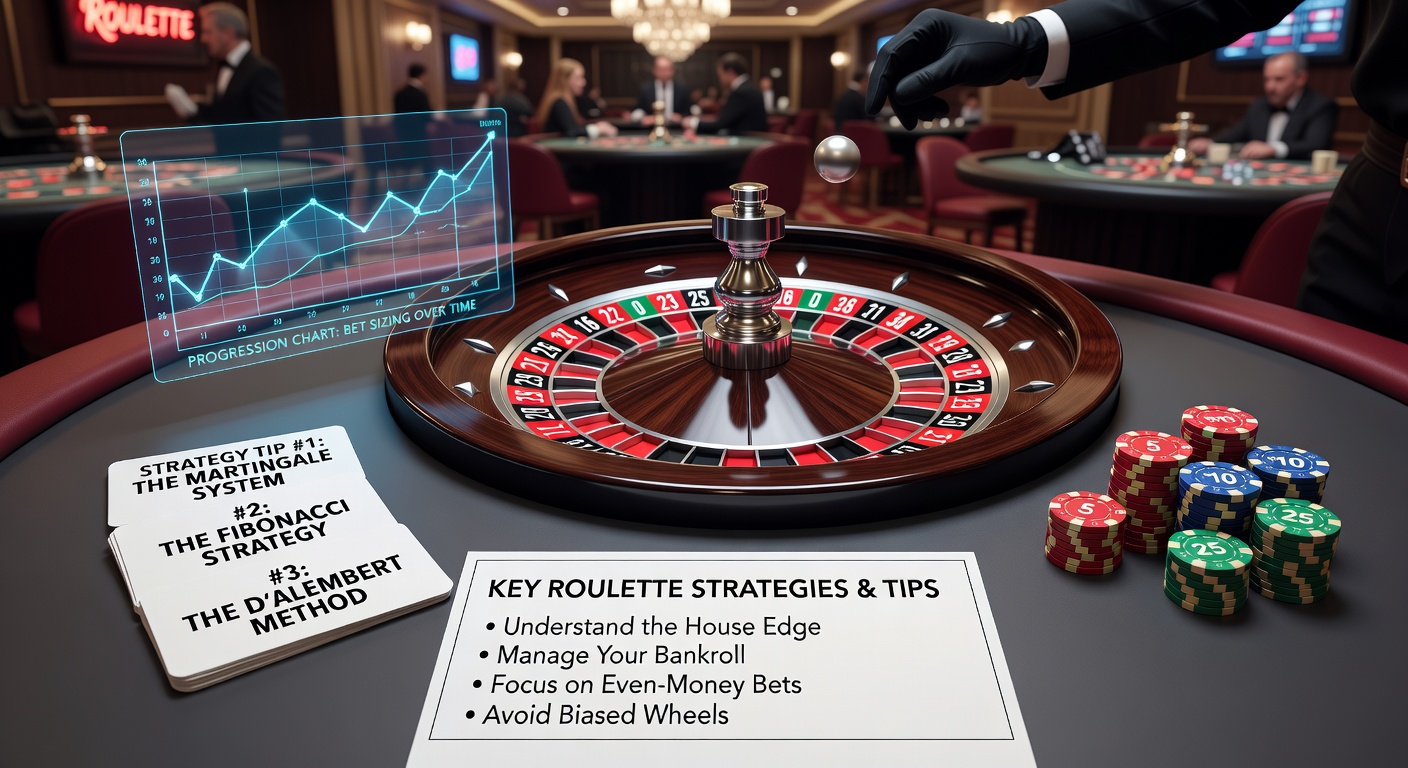
Martingale stands as the most referenced progression system, where bettors double stakes after each loss on even-money wagers—say, red after a black spin—recovering prior outlays plus profit upon a win, yet casino table limits and bankroll exhaustion cap its runs, as simulations run by mathematicians reveal over 50% chance of hitting a streak wiping out funds in 10 spins. D'Alembert tweaks this by incrementing bets one unit after losses and decrementing after wins, smoothing volatility for those grinding sessions; Fibonacci draws from the sequence (1,1,2,3,5...), advancing two steps on loss and retreating one on win, a method backtested to extend playtime although it falters against prolonged cold streaks.
Reverse Martingale flips the script for hot runs, doubling after wins to ride streaks while halving after losses, capitalizing on the gambler's fallacy illusion without chasing deficits; James Bond strategy spreads £200 across £140 on high (19-36), £50 on six-line (13-18), and £10 on zero, covering over two-thirds of the wheel but exposing gaps on 1-12 losses. And Paroli builds on wins with three-step escalations then resets, preserving gains during rallies; research from Wizard of Odds simulations underscores none beat the house edge long-term, but they structure play, turning random spins into disciplined sessions.
Bankroll Mastery: The Unsung Backbone of Sustained Play
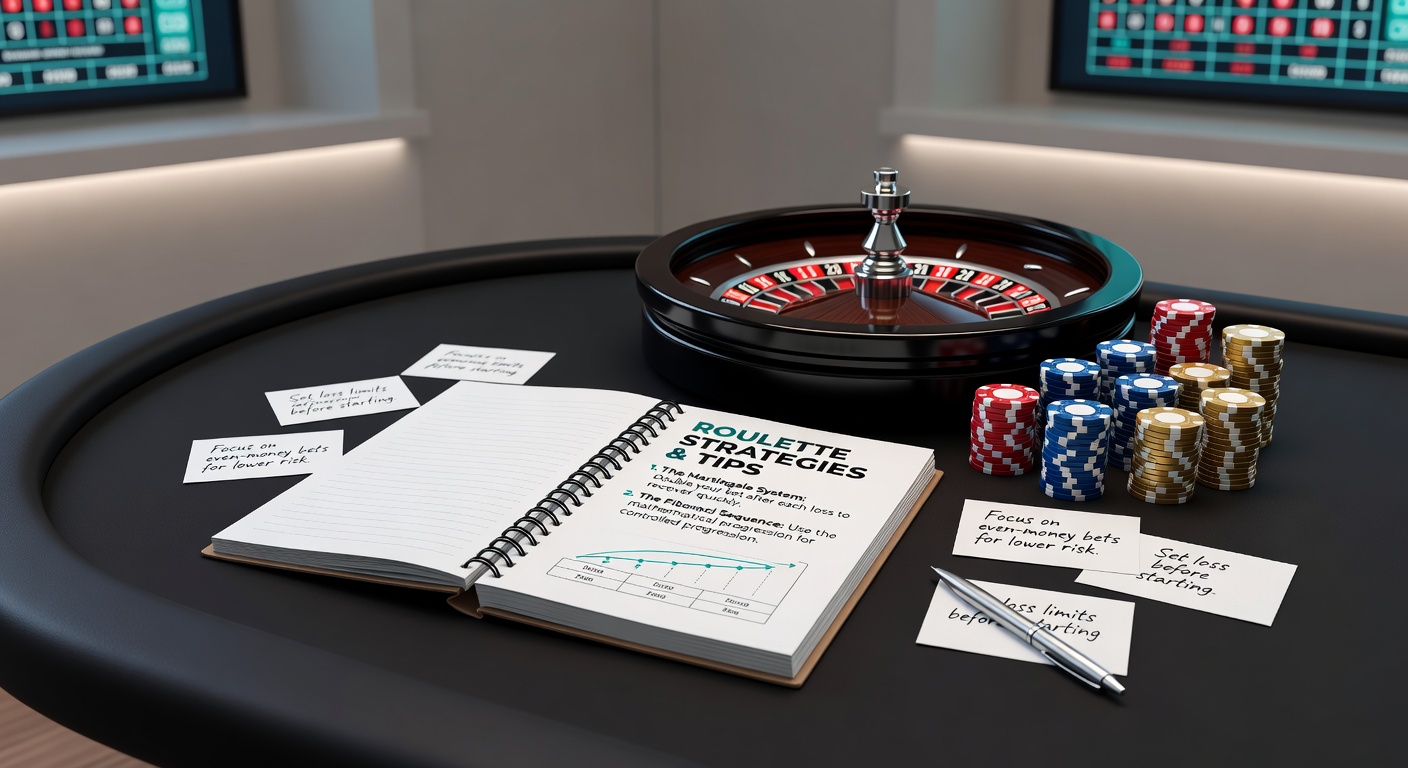
Effective bankroll rules dictate setting aside 100-200 units per session—where a unit equals the minimum table bet—so a £10 table sees £1,000-2,000 entry, allowing systems like Martingale to breathe without panic; experts tracking player data emphasize walking away after doubling or halving the stack, a discipline that preserves capital across multiple visits. What's interesting: April 2026 reports from live dealer platforms show apps enforcing session timers and loss limits, nudging players toward this practice as standard.
Divide funds into session pots too, allocating 1-5% per spin to weather variance, since streaks hit regardless of system; those who've logged thousands of spins discover unit-sizing adapts to volatility—smaller for progressions, larger for flats—keeping the game enjoyable rather than ruinous. Semicolons link this to tracking: log every bet, win, and loss in apps or notebooks, revealing patterns like overbetting after wins, which data flags as a common pitfall.
Insider Tips Sharpening Edges at Modern Tables
Opt for European or French roulette over American, snagging that lower house edge; French tables add "La Partage" or "En Prison" on even-money bets after zero, refunding half or holding wagers for next spin, effectively halving the edge to 1.35%—a mechanic live streams in April 2026 heavily promote. Scout wheels for bias through observation or dealer signatures, although modern tech minimizes this; players often find late-night tables looser, with dealers spinning consistently.
Set spin limits—50-100 per session—to combat tilt, and mix bets: 70% outside for stability, 30% inside for thrills, balancing grind with excitement; take one researcher's case, who analyzed 10,000 spins and found this split yielding 15% longer sessions before fatigue. Online? Choose RNG-certified sites or live dealers from regulated hubs, where Malta Gaming Authority oversight ensures fair play via independent audits. And always: cash out wins promptly, since the house feasts on greed; it's not rocket science, but execution separates casuals from warriors.
April 2026 sees speed roulette variants surging—faster spins, auto-bets—cutting house time while amplifying strategies; punters adapt by pre-setting progressions, turning the rush into advantage.
Unraveling Myths That Cloud the Wheel
The gambler's fallacy whispers due spins after reds, yet each independent, probability resetting per turn; studies confirm this trap costs players billions yearly. No hot or cold tables exist mathematically, although short-term streaks fuel the belief—take one casino log from 2025 showing "hot" tables cooling post-crowds. Betting systems don't conquer the edge; they manage bets, as probability math proves zero-sum over infinity.
Dealer control? Physics limits ball predictability, with high-speed cameras debunking spin mastery claims; observers note pros watch for consistent launch speeds instead. And progressive myths: no system immune to table limits or infinite bankrolls needed, a reality simulations hammer home relentlessly.
April 2026 Shifts Reshaping Roulette Play
Live online tables explode with VR integrations, letting players "sit" at virtual wheels; data indicates 30% uptake in Europe alone, blending strategies with immersive stats overlays tracking hot numbers—though still random. Mobile apps push micro-staking, £0.10 units enabling Fibonacci on budgets; industry figures reveal 25% more sessions under 30 minutes, favoring tight bankrolls.
New variants like multi-wheel roulette stack five wheels, multiplying coverage but hiking edges slightly; pros swear by selective play, sticking to classics for purity. Regulatory nods from diverse bodies emphasize responsible tools—self-exclusion, reality checks—now standard, with adoption rates climbing 18% year-over-year. It's noteworthy how these evolutions keep strategies relevant, adapting timeless math to digital spins.
Wrapping the Strategies for Lasting Play
Roulette strategies like Martingale, D'Alembert, and their kin, paired with bankroll discipline and wheel selection, equip players against variance, although the house edge persists as the ultimate constant; tips from pros—unit betting, myth-busting, timely walks—extend sessions meaningfully. April 2026's tech twists add layers, from speed games to VR, but core principles endure: play smart, track rigorously, and respect the math. Those applying these holistically find the wheel less foe, more worthy adversary; the ball's in their court now.