UK Gambling Commission Unveils Q2 2025 Stats: £4.3 Billion Gross Gambling Yield Marks Steady Industry Performance

The UK Gambling Commission has dropped its latest quarterly industry statistics for Q2 of the financial year spanning April 2025 to March 2026—that's July through September 2025—and the numbers paint a picture of resilience amid seasonal shifts; total gross gambling yield (GGY) hit £4.3 billion across Great Britain when including lotteries, while excluding them the figure stands at £3.2 billion, reflecting data pulled straight from licensed operators who keep the wheels turning in this vast sector.
Breaking Down the Big Numbers
Figures reveal a landscape where non-remote betting carved out £592 million in GGY, accounting for 48.2% of the total non-remote haul, and that's no small potatoes given the 5,782 betting shops dotting the high streets and corners of the nation; remote sectors, meanwhile, raked in £2.0 billion from casino, betting, and bingo combined, underscoring how digital platforms continue to flex their muscle while physical venues hold their ground through sheer volume of locations.
Take the gambling machines—190,965 of them whirred away in licensed premises during this period, from arcades to pubs and those aforementioned betting shops, each contributing to the steady drip of revenue that operators report quarter after quarter; experts tracking these trends note how such hardware forms the backbone of non-remote activity, especially in a quarter that often sees summer slowdowns before the autumn ramp-up toward year-end peaks.
But here's the thing: this £4.3 billion total GGY encompasses everything from slots to sportsbooks, lotteries included, yet stripping those out drops it to £3.2 billion, a move that highlights the lottery's outsized role—something observers have long pointed out in Commission data—while the core commercial gambling engine chugs along without missing a beat.
Non-Remote Betting Takes Center Stage
Non-remote betting's £592 million GGY didn't come out of nowhere; with 5,782 shops operational, that's an average pull per location that keeps the lights on, even as online alternatives lure punters with a tap on their phones, and data shows this segment claiming nearly half of all non-remote yield, a testament to foot traffic in places where people still prefer the buzz of in-person wagering.
Those betting shops, scattered across urban centers and smaller towns alike, serve as hubs not just for horse racing fans or football punters but for a mix of casual and regular players; the Commission's report captures this snapshot midway through the 2025-2026 financial year, with March 2026 still on the horizon as the endpoint, meaning operators now eye the back half with these Q2 benchmarks in hand.
And while seasonal trends play their part—summer often means lighter sports calendars before the Premier League and NFL heat up— the stability here suggests licensed operators adapted well, channeling efforts into promotions and loyalty schemes that data indicates boost retention without overextending.
Remote Surge: Casino, Betting, and Bingo Lead Digital Charge
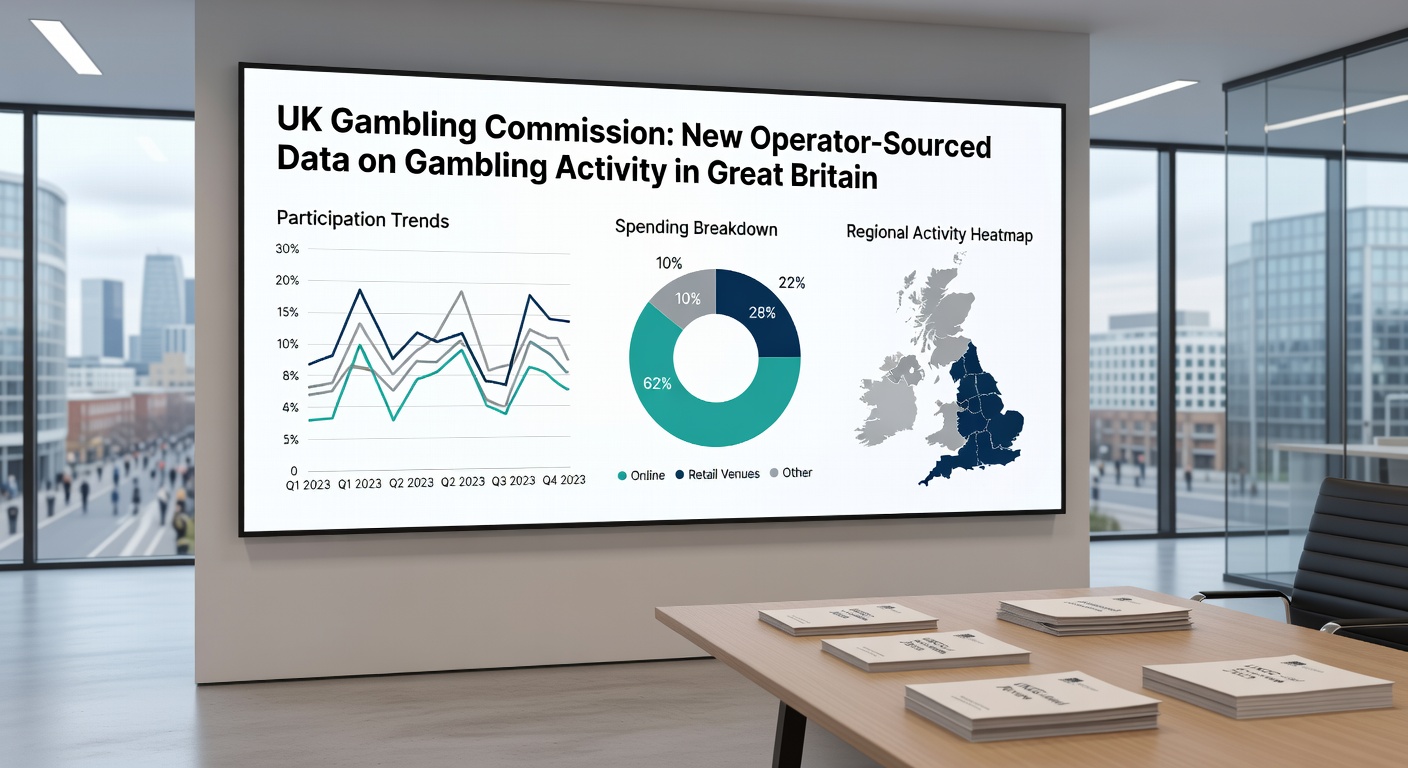
Remote activity exploded to £2.0 billion in GGY for casino, betting, and bingo, a chunk that dwarfs non-remote figures and reveals where the action's shifted in recent years; platforms accessible via apps and websites drew in players who bet from home, work, or even while commuting, with the Commission's statistics underscoring this as the growth engine propelling the industry's overall £3.2 billion non-lottery total.
What's interesting is how this remote trio—casino with its slots and tables, betting on everything from tennis to esports, bingo keeping its community vibe alive online—collectively outpaced physical counterparts, yet both segments coexist in the data, feeding into that grand £4.3 billion when lotteries join the fray; researchers poring over prior quarters have observed similar patterns, where Q2 often serves as a bridge between spring highs and winter booms.
One case in point: licensed operators reported these remote gains amid broader economic currents, but the numbers stand firm, showing compliance with regulations while delivering yields that fund taxes, jobs, and responsible gambling initiatives baked into the Commission's oversight.
Gambling Machines: The Unsung Heroes of Licensed Venues
Those 190,965 machines in licensed premises tell another story—one of endurance in arcades, betting shops, and adult gaming centers where players drop coins or notes for a shot at jackpots; spread across the UK's betting landscape, they contributed meaningfully to non-remote GGY, complementing the £592 million from over-the-counter bets and keeping venues viable even as remote options proliferate.
Turns out, this hardware count held steady, a fact that observers link to operators' investments in modernizing floors with touchscreens and linked progressives, all while adhering to stake and prize limits set by regulators; in Q2 2025, as summer festivals and holidays played out, these machines likely saw spikes from tourists and locals alike, padding the quarterly totals before the financial year pushes toward its March 2026 close.
Seasonal Trends and Broader Context
Data from the official quarterly report highlights ongoing performance against prior periods, where Q1 might have ridden football season highs, yet Q2's £4.3 billion GGY signals no dramatic dips; lotteries pushed the inclusive total, but the £3.2 billion core reveals commercial steadiness, with remote sectors absorbing any non-remote softness through sheer accessibility.
People who've studied these releases over years note how July-September often tests the industry's adaptability—fewer major events mean leaning on casino consistency and machine reliability—yet the figures here show licensed operators navigating it smoothly; betting shops at 5,782 maintained their footprint, a number that includes closures and openings netting out to stability, while remote GGY's £2.0 billion underscores digital's dominance without erasing high-street relevance.
So, as the year progresses toward March 2026, these stats serve as a midpoint marker; operators use them to tweak strategies, from bolstering remote tech to refreshing shop layouts, all under the Commission's watchful eye that ensures data accuracy from every licensed entity.
Implications for Operators and Regulators
Licensed operators now digest these insights, with £592 million non-remote betting GGY offering a benchmark for shop profitability—48.2% of the non-remote pie means it's where the rubber meets the road for physical investments; remote's £2.0 billion, meanwhile, points to where tech upgrades pay off, as platforms handle volume that brick-and-mortar can't match.
The 190,965 machines factor in too, their presence in diverse premises ensuring broad revenue streams; experts observe that such granularity in Commission reports helps forecast trends, like potential Q3 uplifts from rugby and cricket seasons, keeping the FY on track through March 2026.
It's noteworthy that all this stems from verified operator submissions, a process that builds trust in the numbers; no wild guesses here—just cold, hard stats driving decisions across boardrooms and regulatory halls alike.
Conclusion
In wrapping up Q2 2025, the UK Gambling Commission's data delivers clarity: £4.3 billion GGY including lotteries, £3.2 billion without, fueled by 5,782 betting shops yielding £592 million non-remote (48.2% share), £2.0 billion remote casino/betting/bingo, and 190,965 machines humming in premises; seasonal trends hold firm, licensed operators perform consistently, and with March 2026 looming, the path ahead looks plotted on these solid figures— a quarterly pulse check that keeps the industry informed and moving forward.