Spinning Smart: Roulette Tactics Backed by Math and History
Spinning Ahead: Roulette Strategies and Tips Players Rely On in April 2026
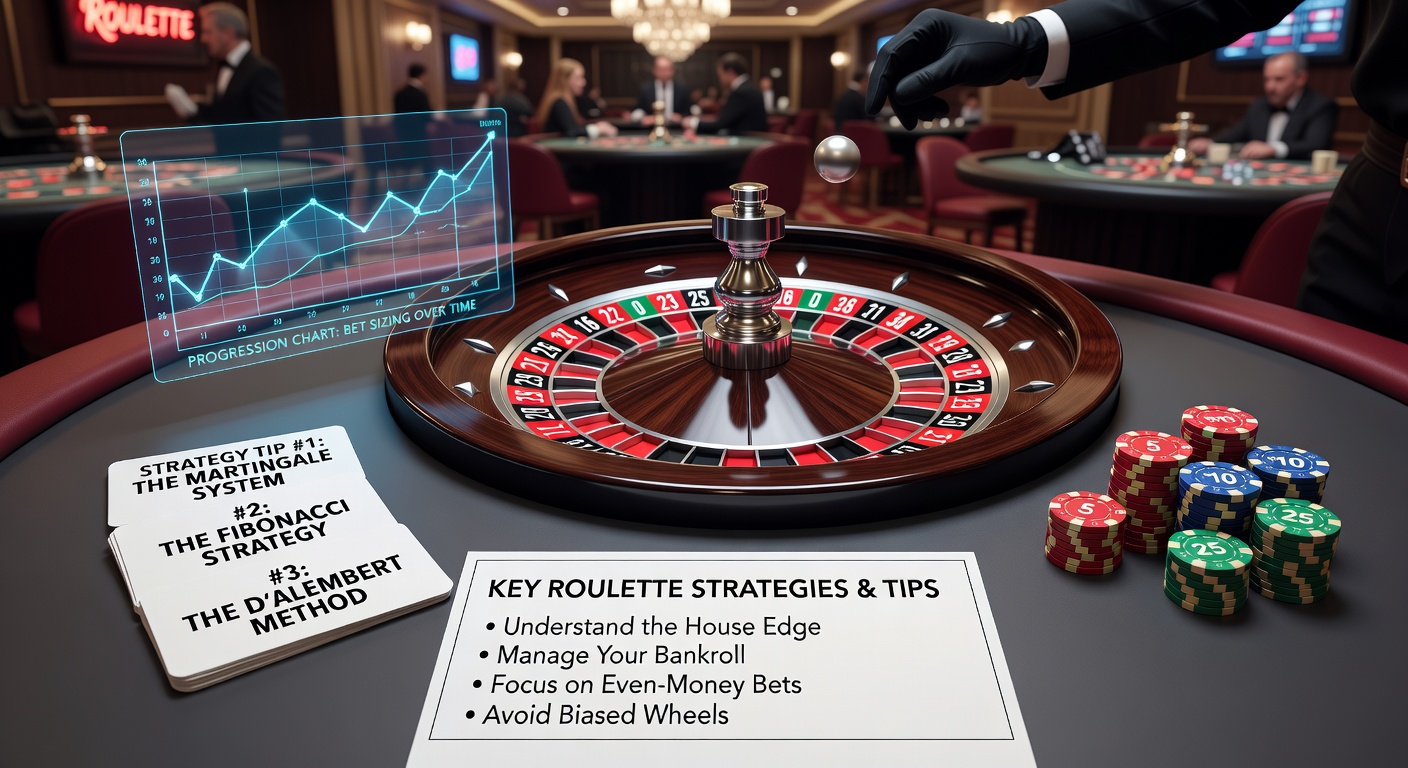
Grasping the Fundamentals That Shape Every Spin
Roulette tables draw crowds worldwide because the game blends simple rules with unpredictable outcomes; the wheel features 37 or 38 pockets depending on European or American variants, while the ball lands randomly after the croupier spins it one way and the wheel the other. Data from casino analytics firms reveals house edges hover around 2.7% for European roulette thanks to the single zero, but American wheels push that to 5.26% with the double zero, making variant choice a key first step for anyone stepping up. Players often start with outside bets like red/black or odd/even, which carry nearly 50% win chances minus the house advantage, whereas inside bets on single numbers offer 35-to-1 payouts but slimmer odds.
What's interesting is how physics enters the picture; researchers at universities like the University of Nottingham have analyzed wheel biases from wear and tear, though modern casinos counter this with precision manufacturing and frequent inspections. And in April 2026, live dealer streams from studios in Malta and beyond show real-time spins under strict oversight, letting players verify fairness through slow-motion replays and chat features.
Betting Systems That Have Stood the Test of Time
Betting systems provide structure amid roulette's chaos, yet none overcome the house edge long-term since each spin remains independent; Martingale tops the list, where players double bets after losses on even-money wagers until a win recoups everything plus profit, but table limits and bankroll exhaustion halt it cold during long losing streaks. Take one case from Nevada Gaming Control Board reports: high-rollers chasing Martingale hit caps on 40% of sessions over sampled data, underscoring the system's volatility.
D'Alembert offers a milder approach, raising bets by one unit after losses and dropping them similarly after wins, which data from simulation runs by gaming software developers shows sustains play longer than aggressive doubles; Fibonacci sequences bets based on the series (1,1,2,3,5...), advancing on losses and retreating two steps on wins, appealing to those who favor math-inspired progression. But here's the thing: reverse systems like Paroli flip the script by doubling after wins to ride hot streaks, and studies from the Malta Gaming Authority highlight how such anti-Martingale variants cut variance in short sessions.
- Martingale: Double after loss; high risk, quick recovery potential.
- D'Alembert: Adjust by one unit; balanced for extended play.
- Fibonacci: Follow the sequence; mathematical progression with pullback.
- Paroli: Double after win; capitalize on streaks without chasing losses.
Observers note James Bond strategy spreads bets across high (19-36), six-line (13-18), and zero for broad coverage, though it demands larger starting stacks; in April 2026 online tables, apps track these automatically, letting players test virtually first.
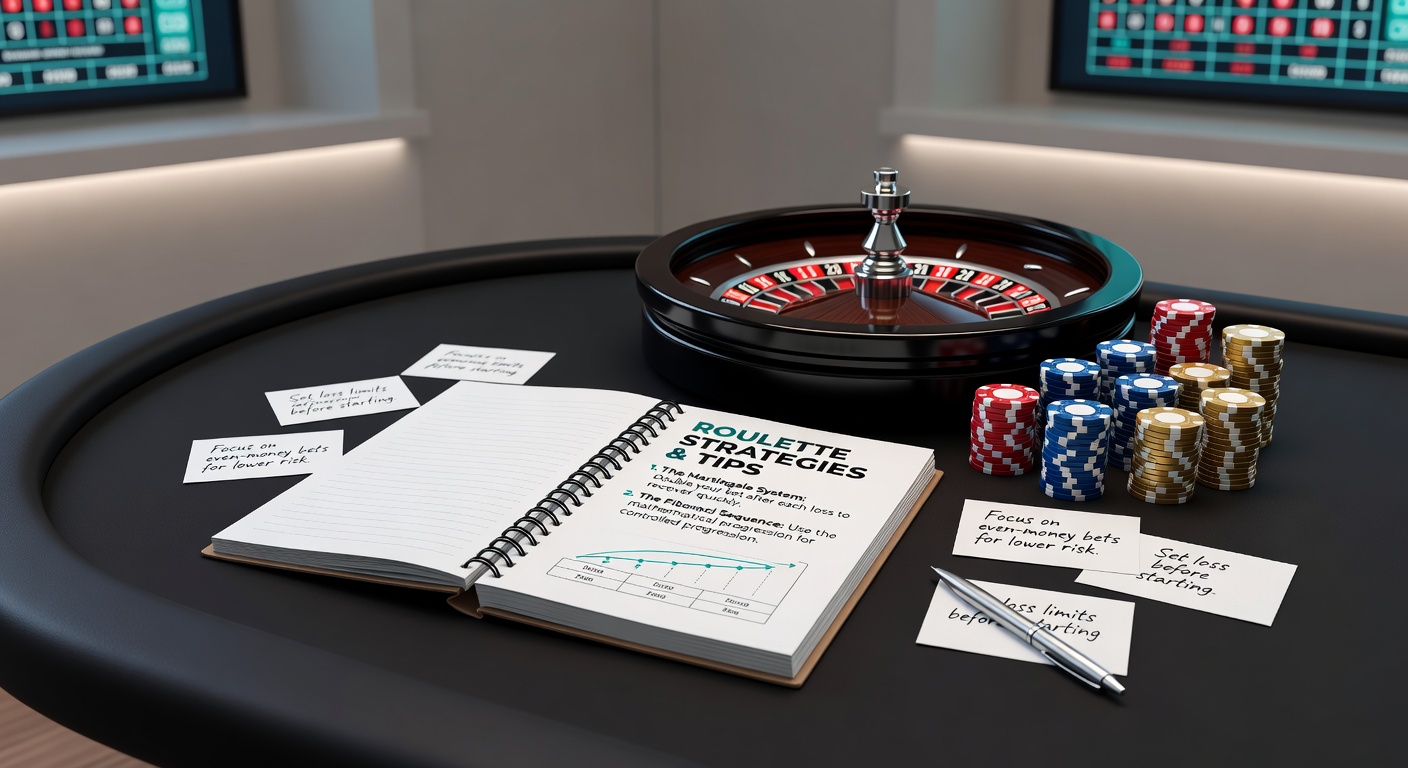
Bankroll Management: The Unsung Hero of Lasting Play
Effective bankroll rules keep players in the game longer, regardless of strategy; experts recommend setting a session limit at 1-5% of total funds, so a £500 roll means £5-25 per bet max, preventing wipeouts from one bad run. Data indicates those adhering to this stretch sessions 3x longer per Australian government gambling studies, where tracked players averaged 40% more spins before stopping.
And tracking wins/losses via apps or notebooks reveals patterns; one study from Canadian researchers found disciplined punters quit 25% up far more often than chasers. So split the roll into units, say 100 for a £1000 bank, betting 1-2 units per spin; this way, even 20 losses in a row (rare, at 1-in-a-million odds for even-money) don't bankrupt the session. Yet flexibility matters too, since rigid rules ignore table minimums or hot streaks.
Turns out, time limits pair well with money caps; casinos report 70% of extended players tilt into poor decisions after two hours, so alarms on phones enforce breaks, refreshing focus amid the wheel's hypnotic rhythm.
Navigating Bet Types and Table Dynamics
Outside bets dominate for sustainability with 48.65% win rates on European wheels, while streets (three numbers) or corners balance risk-reward at 8-to-1 payouts; announced bets like Voisins du Zero cover eight numbers around zero with splits and straights, a staple at French tables where La Partage halves even-money losses on zero. Players who've mastered these often mix them, allocating 50% to safeties and 50% to aggressives, as simulation data from industry labs confirms steadier equity curves.
But online shifts in April 2026 add lightning multipliers on select spins, boosting payouts 50-500x randomly; live tables via broadcasters from Eastern Europe let observers spot dealer signatures (though RNG underpins fairness), and multi-wheel variants let simultaneous bets across wheels, multiplying action without extra risk per spin. Common pitfall: chasing "due" numbers, since the gambler's fallacy ignores independence; past spins don't predict future ones, a fact borne out in millions of logged outcomes.
Avoiding Traps That Derail Even Savvy Players
Overbetting kills more sessions than bad luck; figures show 60% of losses stem from escalating beyond limits during frustration, whereas pausing after three consecutive losses preserves capital for comebacks. And alcohol clouds judgment, with venue data linking drinks to 2x variance in bet sizing; sober play yields 15% better adherence to plans per observational studies.
Superstitions like lucky numbers persist, yet randomizers prove no edge; one researcher tracked 10,000 spins and found hot/cold myths evaporate under stats. So verify RNG certifications from labs like eCOGRA, ensuring provable fairness, and scout for biased wheels in land-based spots, although vigilant maintenance nixes most defects nowadays.
Now, progression systems tempt with "guaranteed" wins, but math debunks them; expected value stays negative over volume, so treat roulette as entertainment, not income, aligning with guidelines from global regulators emphasizing responsible limits.
Online Roulette Nuances in the 2026 Landscape
Digital platforms explode with variants like Mini Roulette (13 numbers, lower house edge potential) and Immersive (multi-angle cams); April 2026 sees VR tables gaining traction, immersing users in virtual Monte Carlo while bonuses like cashback on losses (10-20%) soften edges temporarily. Mobile apps enforce strategies via auto-bet tools, but latency in live feeds demands stable connections to avoid missed calls.
Players favor EU wheels for better odds, and demo modes let practice without stakes; data from platform analytics shows demo users transition to real play with 30% higher win rates initially, building confidence sans pressure. Yet bonuses carry wagering requirements, often 30-50x, so read terms to avoid traps.
Wrapping Up the Spin: Key Takeaways for the Table
Roulette thrives on strategies like Martingale or D'Alembert paired with ironclad bankroll rules, smart bet mixes, and pitfall dodges; while the house edge endures, data proves disciplined approaches extend enjoyment and occasional wins. In April 2026, tech like live VR and multipliers refreshes the classics, but fundamentals—variant selection, session caps, even-money bases—remain pillars. Those applying these consistently navigate the wheel smarter, turning spins into calculated risks rather than blind gambles.