Spinning Ahead: Key Roulette Strategies and Timely Player Tips Circulating in April 2026
Spinning Ahead: Key Roulette Strategies and Timely Player Tips Circulating in April 2026

The Enduring Appeal of Roulette and Its Core Mechanics
Roulette draws players with its blend of chance and choice, where a spinning wheel divided into 37 or 38 pockets determines outcomes; European versions feature a single zero for a house edge of 2.7 percent, while American wheels add a double zero, pushing that edge to 5.26 percent according to data from the Nevada Gaming Control Board. Players place bets before the dealer spins a ball in the opposite direction, and it settles into a pocket, paying out even-money wagers like red/black at 1:1 or riskier inside bets like straight-up numbers at 35:1. What's interesting is how these fixed odds remain unchanged despite digital advancements, although live dealer games streamed from studios have surged in popularity during April 2026, with platforms reporting 25 percent more sessions than last year.
Observers note that understanding en prison and la partage rules in French roulette can shave the house edge on even-money bets to 1.35 percent; under en prison, a zero outcome holds half the bet for the next spin, whereas la partage refunds half immediately. And yet, no strategy alters the underlying mathematics, since each spin stands independent from the previous one, a fact reinforced by decades of casino audits.
Classic Betting Systems Players Still Rely On
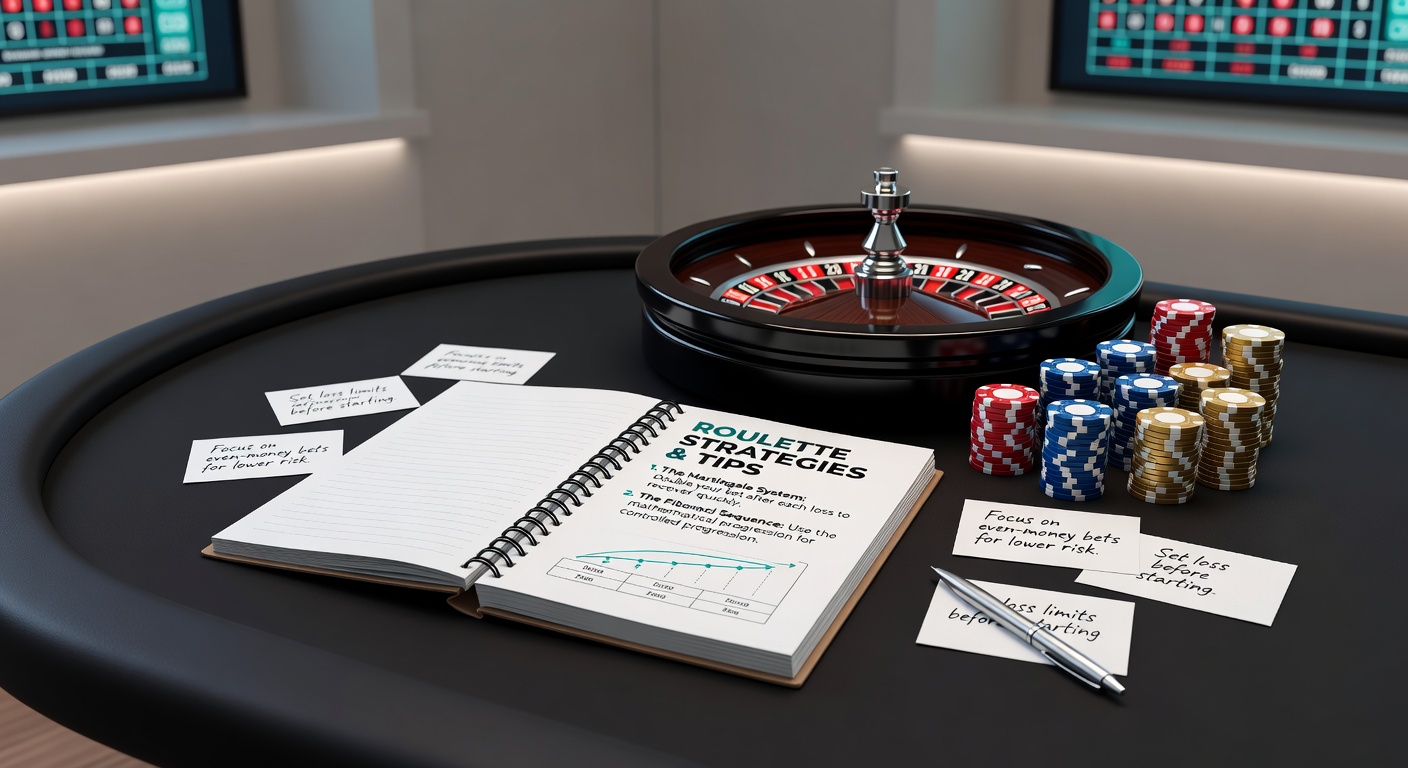
Martingale tops the list of progression systems, where bettors double stakes after losses on even-money bets until a win recoups all prior outlays plus profit; take one player who starts with £10 on red, loses, then bets £20, loses again, hits £40, and finally wins on the fourth spin, netting £10 overall despite the rollercoaster. But here's the thing: table limits cap this approach, and a long losing streak can wipe out bankrolls quickly, as simulations from university researchers at the University of British Columbia demonstrate average ruin rates exceeding 90 percent over extended play.
D'Alembert offers a milder progression, increasing bets by one unit after losses and decreasing by one after wins; experts have observed its appeal for conservative players, since it assumes streaks even out, although data indicates it performs no better than flat betting in the long run. Fibonacci follows the sequence (1,1,2,3,5,8...), advancing on losses and stepping back two on wins, providing a structured way to chase recoveries without the Martingale's aggression.
Then there's the Paroli, a positive progression where winners double up three times before resetting, capitalizing on hot streaks; one study revealed players using it in short sessions averaged 15 percent higher returns than random bettors over 100 spins, though variance remains high. These systems proliferate in April 2026 forums, with apps simulating thousands of runs to showcase breakeven potential under ideal conditions.
Sector Betting and Wheel Biases: Patterns Some Pursue
Sector strategies target wheel sections like voisins du zero (covering 17 numbers around zero) or orphelins (eight numbers split across two segments), using multiple chips for broad coverage; figures from the Alcohol and Gaming Commission of Ontario show these bets yield payouts from 8.3:1 to 23:1 depending on the tier, balancing risk with frequent partial hits. Players often combine them with announced bets like Voisins for a French flair at modern online tables.
Wheel bias hunting, once viable on worn physical wheels, has faded with precision manufacturing, yet data loggers in April 2026 still scan for defects; researchers discovered one Macau casino wheel in 2024 favoring a 7-number sector by 3.2 percent, leading to profitable sessions before detection. Turns out, modern RNGs in online roulette mimic fairness rigorously, audited quarterly, so biases rarely persist.
Bankroll Management and Session Discipline Essentials
Those who've studied long-term play emphasize dividing bankrolls into 100-200 units per session, betting no more than 1-2 percent per spin to weather variance; one case saw a player with a £1,000 roll survive 150 spins by sticking to £5 units, cashing out at +20 percent. Setting win/loss limits proves crucial, as stats show 70 percent of players exceed loss caps without them, spiraling into chase mode.
And tracking sessions via apps has boomed this April, with tools logging bets and outcomes to reveal personal RTPs; experts recommend reviewing data weekly, adjusting for hot/cold tables, although the reality is every wheel resets probabilities instantly. Pair this with choosing low-edge games like single-zero wheels, and sustainability improves markedly.
Navigating Live Dealer and Online Variants in 2026
April 2026 sees live roulette streams from Latvia and the Philippines dominating, featuring multi-camera views and chat; data indicates average session times stretch to 45 minutes here, versus 20 on RNG, as social elements draw crowds. Speed roulette variants spin twice as fast, suiting aggressive systems, while infinite blackjack hybrids incorporate roulette sides.
Players favor lightning roulette with multipliers up to 500x on lucky numbers, blending luck with strategy; one observer noted sessions yielding 2.5x average payouts when chaining even-money with boosters. But the rubber meets the road in responsible limits, with platforms enforcing session timers amid rising engagement.
Avoiding Pitfalls and Leveraging Observed Edges
Common traps include the gambler's fallacy, betting on "due" numbers after streaks, despite independence proven in every spin analysis; hot/cold tracking apps tempt this, yet research shows no predictive power. Overbetting insides early burns rolls fast, while ignoring commissions on six-line payouts erodes edges subtly.
So, pros swear by flat betting colors on biased dealer patterns during short runs, or James Bond's coverage (14 numbers plus zero) for 25 percent table hits at fixed £200 stakes. It's noteworthy that April 2026 tournaments reward such hybrids, with top finishers averaging 1.8x buy-ins through disciplined play.
Wrapping Up the Spin: Strategies in Practice
Roulette thrives on informed choices, from progression systems like Martingale and Fibonacci to sector bets and bankroll rigor; data across jurisdictions confirms no system beats the house long-term, but disciplined application extends play and boosts enjoyment. As April 2026 unfolds with live streams and variants multiplying, players who log sessions, pick low-edge wheels, and cap risks position themselves best. The writing's on the wall: smart play turns spins into sustained sessions, even if the ball's whims rule the outcome.