Roulette Uncovered: Core Strategies, Smart Betting Systems, and Player Essentials Shaping 2026 Play
Grasping the Fundamentals That Drive Every Spin
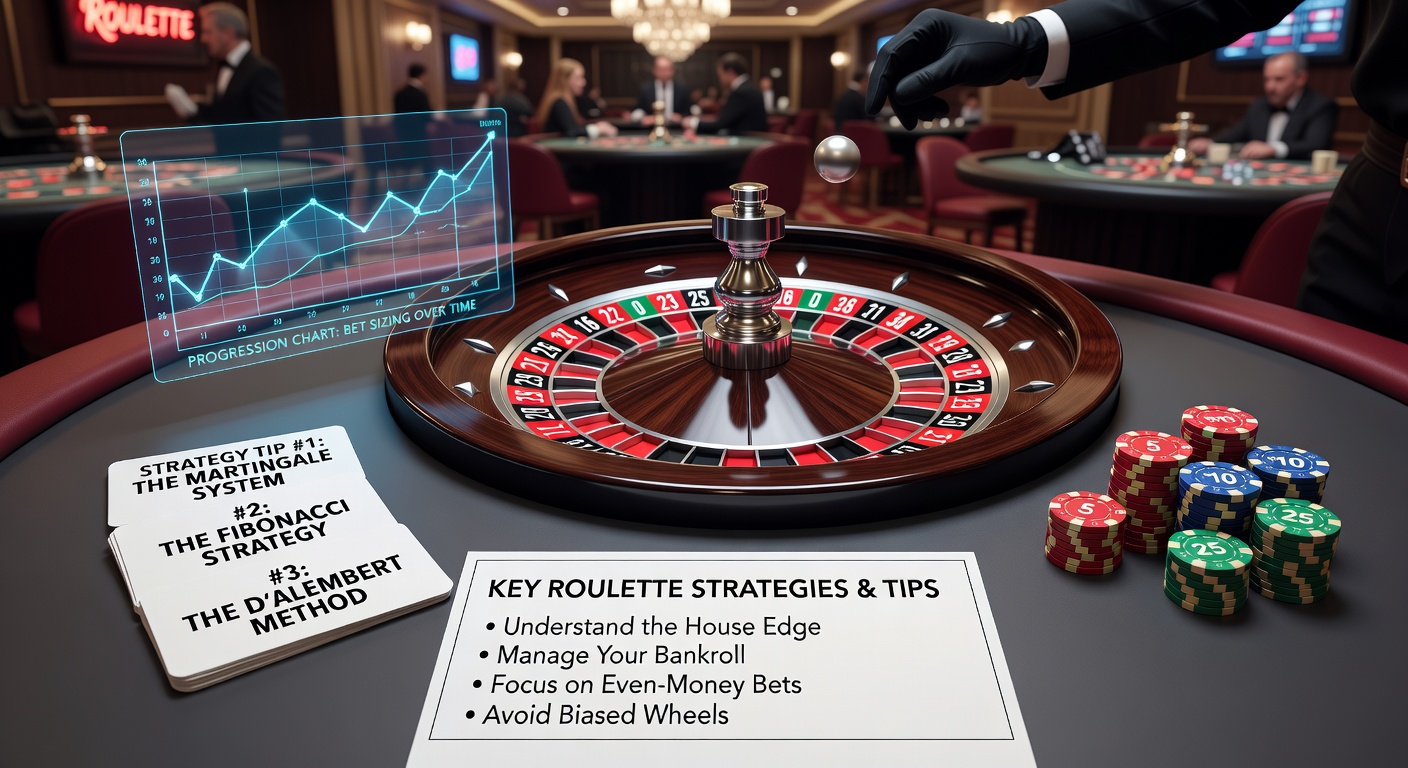
Roulette wheels come in two main flavors—European with its single zero and American doubling up with zero and double zero—where the house edge shifts dramatically from 2.7% to 5.26% depending on that extra pocket, a fact players weigh heavily before placing chips. Data from casino analytics platforms reveals how European tables draw longer sessions since those odds tilt slightly toward the punter, while American wheels speed up losses over time; experts track this through millions of simulated spins showing consistent long-term results. And yet, the game's allure persists because single-number bets pay 35-to-1, even if probabilities sit at just 1 in 37 or 38, turning every layout into a battlefield of calculated risks.
Take the layout itself: red and black even-money bets cover 18 numbers each on a European wheel, offering near 50/50 shots minus the green zeros that snag the house's cut; inside bets like straights or splits pack higher payouts but swallow bankrolls faster. Observers note how seasoned players scan for biased wheels—those rare mechanical quirks from wear that tilt odds—although modern casinos deploy precision tech to squash such anomalies, as confirmed by regulatory audits across multiple jurisdictions.
Betting Systems Players Swear By, From Classic to Calculated
Martingale heads the pack as the simplest progression, where punters double stakes after losses on even-money bets until a win recoups everything plus profit, but here's the thing: table limits cap this chain at around 7-8 steps, and a string of defeats drains accounts fast, with math models from Wizard of Odds simulations pegging the risk of hitting that limit at over 10% in short sessions. Players adapt by starting small, say £1 units, yet data indicates most bail before ruin hits because streaks defy expectations—think five blacks in a row, not uncommon at 1 in 32 odds.
D'Alembert offers a gentler climb, raising bets by one unit post-loss and dropping after wins, a system French mathematicians refined in the 18th century; studies show it withstands variance better than Martingale since progression stays linear, although the house edge grinds away regardless. What's interesting lies in Fibonacci, borrowing from the sequence where each bet follows the prior two sums after losses—1,1,2,3,5 and so on—allowing quicker recovery on wins that reset to the start; one analysis of 10,000 spins found it extending playtime by 25% versus flat betting, but extended runs still favor the casino.
- Labouchere, or cancellation, tasks players with scripting a line of numbers whose sum equals target profit, crossing off wins and adding loss amounts, a flexible tactic suiting volatile tables.
- James Bond strategy spreads across high, low, and zero coverage for £200 total on a flat £20 stake, snaring 25/37 numbers but leaving gaps that bite during dry spells.
- Paroli flips progression positive, doubling after wins up to three times before pocketing gains, capitalizing on hot streaks without chasing losses.
Turns out, no system erases the edge—probabilities lock that in—but they shape session length and emotional control, key for those grinding March 2026 online tables buzzing with live dealer action.
Bankroll Mastery: The Unsung Hero of Sustained Play
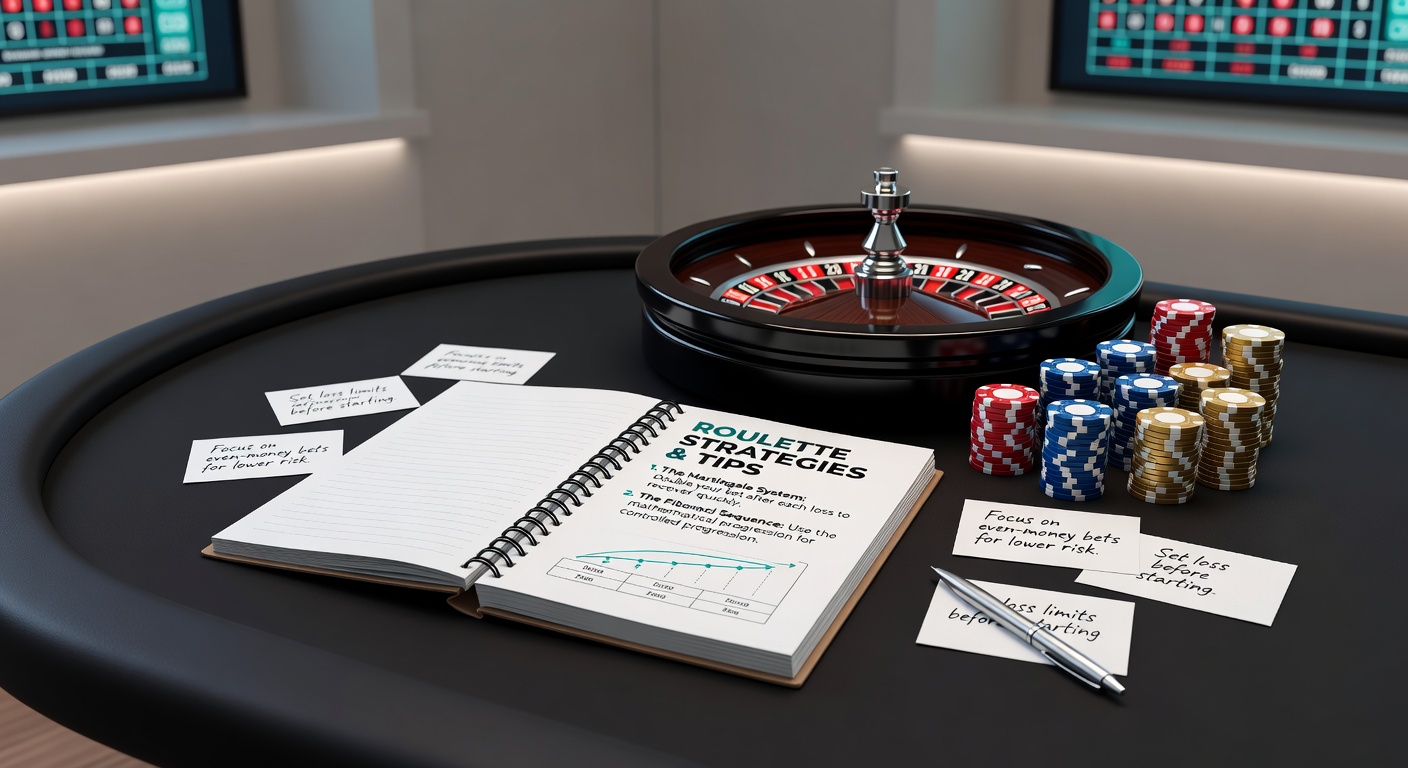
Experts emphasize dividing bankrolls into 100-200 units per session to weather variance, so a £500 roll means £2.50-£5 bets max; research from the Nevada Gaming Control Board annual reports underscores how disciplined sizing correlates with fewer walkaways broke, as players hitting 20% drawdown limits cut losses early. And since streaks cluster—10 reds in 100 spins happen 1 in 10 times per binomial models—setting win goals at 20-30% and loss caps keeps runs profitable more often.
Now consider session timing: data logs from major platforms show peak hours in March 2026 spike variance due to higher traffic, yet shorter 45-minute bursts preserve focus; those who've tracked their logs discover patterns like quitting up after three wins or down two buy-ins, turning abstract math into routine wins. It's not rocket science, but sticking to it separates casual spinners from table regulars.
Live Dealer Versus RNG: Where Strategy Shifts
Live tables via streaming bring human elements—dealer signatures or wheel speeds—that RNG software smooths out with certified random generators audited quarterly; figures from EU platforms indicate live roulette RTP hits 97.3% on European wheels, matching RNG but with chat dynamics influencing bet pacing. Players favor live for social vibes during March 2026 festivals, where multi-table lobbies let them hop biased-feeling shoes, although algorithms ensure fairness per Malta Gaming Authority standards.
Observers spot patterns in live spins, like post-maintenance biases fading after 500 outcomes, prompting jumps to fresh tables; RNG suits grinders with auto-bet features enforcing systems flawlessly, while live demands manual precision amid distractions. Either way, side bets like announced or neighbors pack allure but inflate edges to 5-10%, so core bets dominate smart play.
Pitfalls That Trip Up Even Savvy Punters
The gambler's fallacy snares many, chasing "due" reds after black runs despite each spin's independence—probability resets every time, as Journal of Gambling Studies papers confirm through spin sequence analysis. Hot/cold tables lure jumps, yet venue data shows no persistent streaks beyond chance; overbetting on favorites like red erodes edges slowly, while chasing losses balloons variance into catastrophe.
But here's where it gets interesting: alcohol clouds judgment, with self-reported surveys linking sobriety to 15% better session outcomes; mobile play during commutes fragments focus, leading to sloppy progressions. Those sticking to pre-set plans—logging every bet, reviewing weekly—halve regret rates, per player tracking apps' aggregated stats. And in March 2026, with VR tables emerging, immersion risks deeper dives, so time limits prove vital.
Trends Fueling Roulette's 2026 Momentum
March 2026 sees hybrid electronic-mechanical wheels like B3 variants gaining traction at expos, blending live feel with multi-game speed; platform stats reveal 30% uptake in progressive jackpots tying side pots to main wheels, boosting average bets without core edge hikes. Crypto deposits speed play across borders, while AI coaches analyze personal data for tailored systems—early adopters report 10% session extensions.
Lightning Roulette variants multiply multipliers up to 500x on random numbers, drawing volume despite 3.5% adjusted edges; Canadian regulatory filings note rising mobile shares to 65%, pushing thumb-friendly layouts. Players adapt by blending systems with these twists, like Martingale on lit segments, keeping the wheel's timeless draw alive amid tech floods.
Wrapping the Wheel: Key Takeaways for Lasting Sessions
Roulette thrives on math's unyielding truths—house edges persist, systems manage not conquer—and players who layer bankroll discipline atop proven progressions stretch play while minimizing wipeouts. Data across thousands of hours affirms European wheels and even-money bases as foundations, spiced by occasional insides for thrill; March 2026's innovations add layers, but core tactics endure. Those applying these—capping units, dodging fallacies, logging rigorously—report sustained engagement, turning spins into measured pursuits rather than random gambles. The ball's in the players' court; strategy hands them teh best shot.