June 2026 Roulette Play: Systems, Odds, and Practical Table Advice

Roulette remains one of the most visible table games in both land-based and online casinos during June 2026, with operators reporting steady participation across European and North American markets. Players encounter two primary wheel formats: the single-zero European version that carries a 2.7 percent house edge and the double-zero American layout that raises that figure to 5.26 percent. Data compiled by the Nevada Gaming Control Board shows consistent volume in roulette drop figures through the first half of the year, confirming that bettors continue to favor the game even as new mechanical variants appear at trade shows.
Core Mechanics That Shape Every Spin
The wheel contains either 37 or 38 pockets depending on the variant, while the layout offers inside bets such as straight-up numbers, splits, streets, and corners alongside outside options including red-black, odd-even, and column wagers. Each spin is independent, so previous outcomes hold no predictive value for the next result. Research published by the University of Nevada, Reno demonstrates that players who track sequences still face the same mathematical probabilities on every round, reinforcing that no memory system alters the built-in advantage held by the house.
Betting Systems and Their Documented Limits
Common progressions such as Martingale, Fibonacci, and Labouchere appear regularly in player discussions, yet regulatory reports and academic reviews consistently show these methods cannot overcome the house edge over extended play. The Martingale approach doubles the stake after each loss on even-money bets, but table maximums and finite bankrolls eventually interrupt the sequence. Observers note that sessions using the Fibonacci sequence, which adds the two previous bets after a loss, produce similar long-term outcomes once variance is factored in. Studies from the Centre for Gambling Research at the University of Sydney indicate that players who adhere strictly to any progression experience the same proportional loss rate dictated by the wheel configuration rather than the betting pattern itself.
Bankroll Allocation Practices Observed in 2026
Industry guidelines issued by several North American and Australian regulators recommend setting a fixed session budget before play begins and separating that amount from daily living funds. Figures released by state gaming authorities in Nevada reveal that players who pre-determine loss limits reduce average session length compared with those who adjust limits during play. A typical recommendation divides the total bankroll into 20 to 50 betting units, allowing room for variance without immediate depletion. Those who maintain records of wins and losses over multiple visits report clearer visibility into actual return rates versus perceived hot streaks.
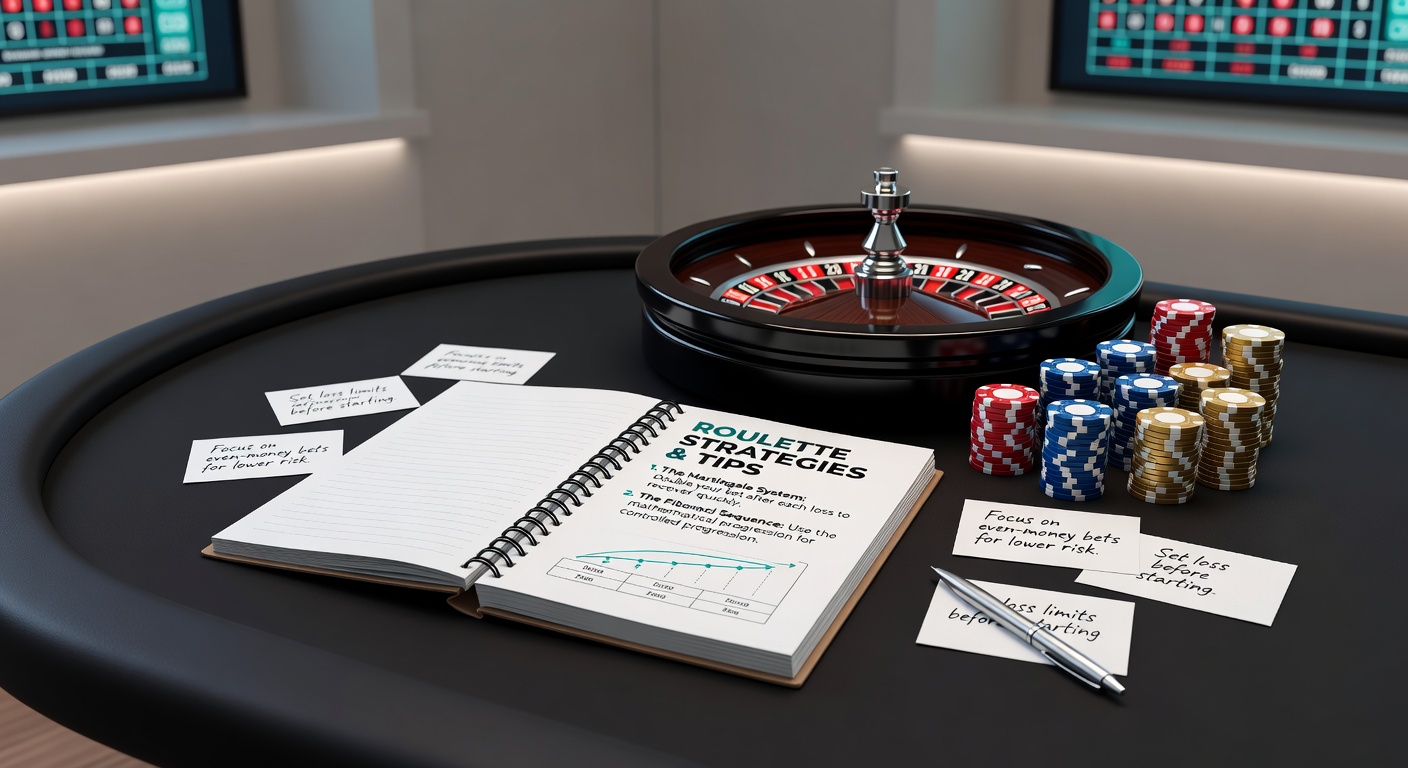
Table Selection and Game Variants Emerging This Summer
June 2026 sees continued rollout of hybrid mechanical tables alongside traditional layouts, particularly in venues adopting new B3-style equipment showcased at recent expos. European single-zero wheels remain the preferred choice for lower house-edge play, while American double-zero tables often compensate with higher table minimums or additional side bets. Casino operators in multiple jurisdictions now display real-time return-to-player percentages on digital terminals, giving bettors immediate access to configuration details before committing funds. Players who compare wheel type, minimum bet, and maximum payout limits across available tables can align their session parameters with the stated probabilities rather than relying on intuition.
Live Dealer and Online Platform Considerations
Live dealer streams continue to expand in June 2026, with latency improvements allowing near-simultaneous betting windows across mobile and desktop interfaces. Regulatory bodies in Malta and the Isle of Man require independent audits of random number generators used in virtual wheels, and published certification reports confirm compliance with stated return percentages. Those accessing platforms note that autoplay features and quick-spin options alter pacing but do not modify underlying probabilities. Session data shared by operators indicates that players who disable autoplay maintain longer average decision times per spin, correlating with more deliberate bet sizing.
Practical Steps for Managing Session Length
Operators and player education materials from Canadian provincial regulators emphasize predefined exit points based on either time or monetary thresholds. Recording the number of spins alongside net position allows later review of actual versus expected outcomes. When variance produces short-term gains, many experienced participants elect to reduce unit size rather than increase exposure. This approach aligns with probability models that show extended play simply increases exposure to the fixed house edge rather than improving individual results.
Conclusion
Roulette outcomes remain governed by fixed probabilities tied to wheel configuration and bet placement. Systems and progressions documented across academic and regulatory sources do not alter these fundamentals, while disciplined bankroll practices and table selection provide the primary avenues for controlling exposure. June 2026 data from multiple jurisdictions continues to reflect steady participation alongside transparent disclosure of game parameters, enabling players to make informed decisions grounded in the mathematics of the wheel rather than patterns that do not persist.