Inside the Spin: Timeless Roulette Strategies and Essential Tips for Modern Players
Grasping the Fundamentals of Roulette Odds
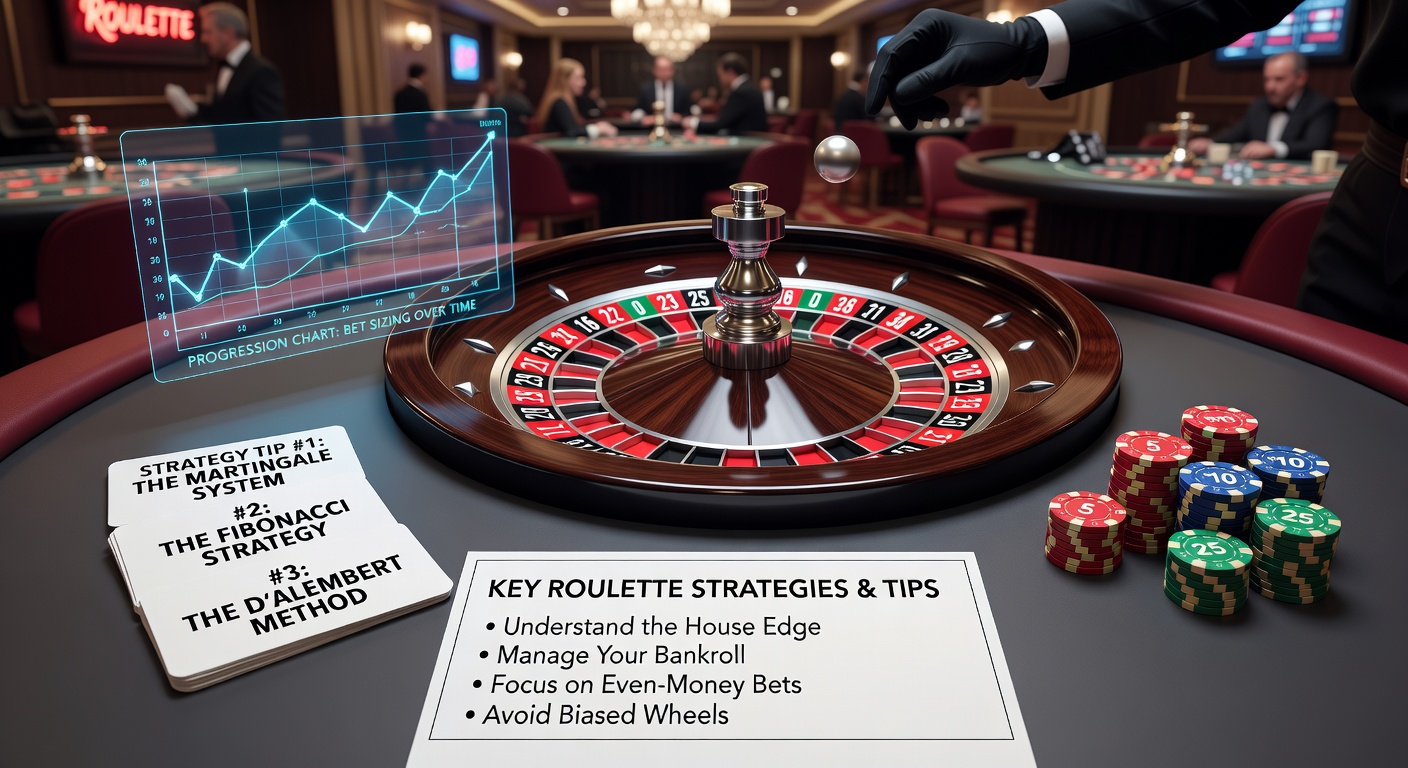
Roulette draws players with its straightforward setup, yet the house edge shapes every outcome; in European roulette, that edge sits at 2.7% thanks to the single zero, while American wheels double it to 5.26% with the extra 00 pocket, a fact data from the Nevada Gaming Control Board consistently underscores in annual casino reports. Players often overlook how these odds play out over thousands of spins, since short-term luck can mask the math, but long-term play reveals the casino's built-in advantage; experts note that understanding payout ratios—straight-up bets paying 35:1 despite 37 possible outcomes in Europe—helps set realistic expectations, especially as online platforms proliferate in early 2026.
What's interesting is how wheel design influences play; European and French variants offer the La Partage rule on even-money bets, slashing the house edge to 1.35% when the ball lands on zero, a mechanic that savvy players seek out, whereas American double-zero tables demand caution because the extra slot tilts probabilities further against outside bets like red/black or odd/even.
Classic Betting Systems That Players Swear By
Martingale tops the list of time-tested systems, where bettors double their stake after each loss on even-money wagers—say, starting with £10 on red, then £20 if it hits black, £40 next, and so on—until a win recoups all prior losses plus the initial amount; research from university gambling studies, such as those compiled by the Australian Gambling Research Centre, shows this works in theory during short streaks but crumbles against table limits or extended cold runs, since the exponential growth demands deep pockets. And yet, people keep using it because early wins feel like a sure thing.
Take D'Alembert, a milder cousin; players raise their bet by one unit after a loss and drop it by one after a win, creating a gentler progression that's less likely to hit betting caps quickly, although data indicates it still succumbs to the house edge over volume spins. Then there's the Fibonacci sequence—1, 1, 2, 3, 5, 8, and onward—applied to even-money bets, where losses advance you along the numbers and wins move you back two steps; observers point out this system's appeal lies in its mathematical rhythm, mirroring nature's patterns, but like others, it can't overcome randomness in the long haul.
Paroli flips the script toward positive progression, doubling bets after wins to ride hot streaks while resetting after losses or three consecutive successes; this protects bankrolls during slumps, and those who've tracked sessions report it suits aggressive playstyles, particularly in live dealer games surging in March 2026. Reverse Martingale does something similar, capitalizing on wins instead of chasing losses, a tweak that aligns with the reality that streaks happen unpredictably but can pay off handsomely when they do.
Smart Bankroll Tactics and Session Discipline
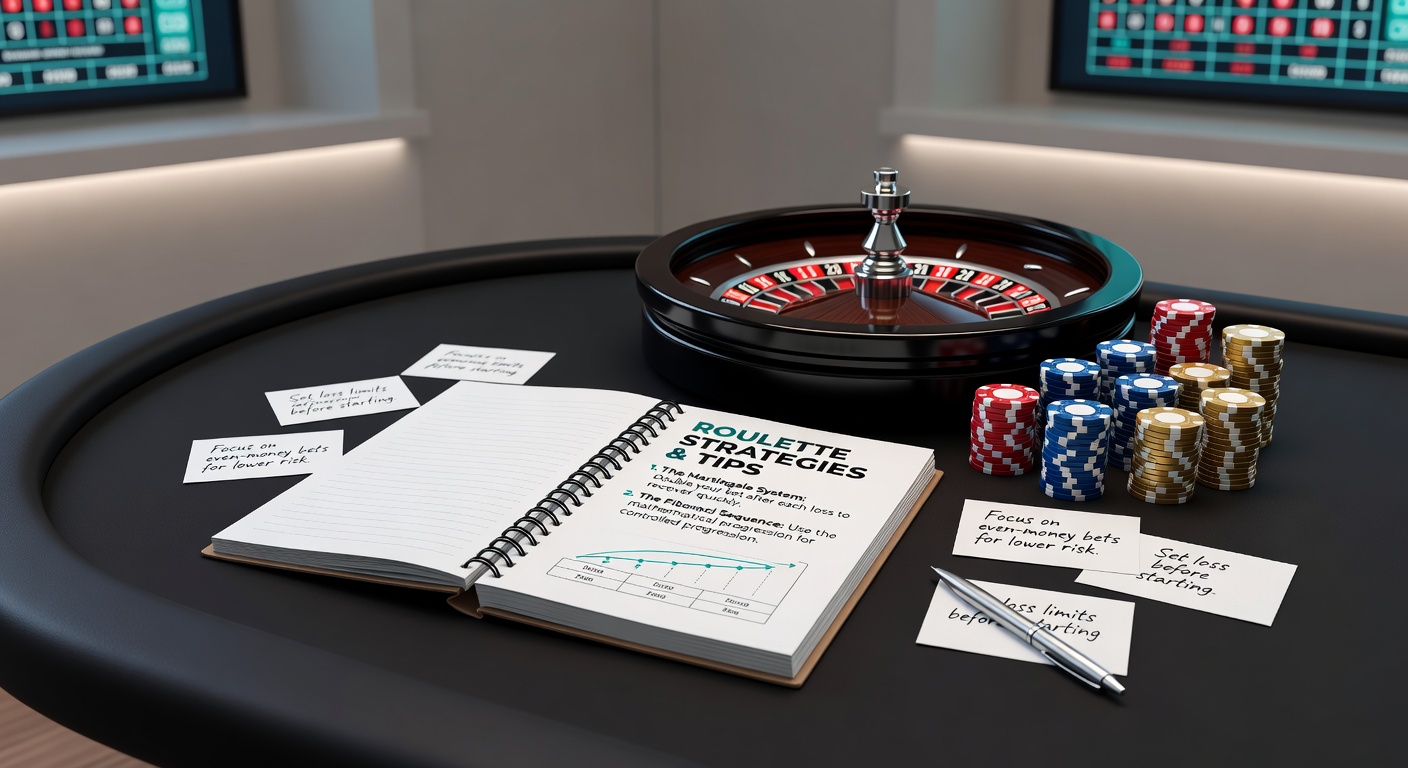
Bankroll management separates casual spinners from those who last longer at the tables; experts recommend setting a session limit—say, 100 times the base bet, so £1,000 for £10 wagers—and sticking to it rigidly, because figures from industry analyses reveal most players lose more chasing sunk costs than from initial plays. Divide that roll into units, betting no more than 1-2% per spin to weather variance; this approach, detailed in gaming math texts, extends playtime dramatically, turning potential quick busts into hours of engagement.
But here's the thing: quitting while ahead proves trickier than it sounds, since the gambler's fallacy whispers that losses must balance out soon; studies find disciplined players who walk after doubling their buy-in—or even hitting a modest 20% gain—preserve winnings far better than those grinding for the big score. Track every session with a simple log, noting bets, outcomes, and emotions; patterns emerge quickly, like how fatigue leads to sloppy choices after two hours, prompting pros to enforce time limits alongside money ones.
Now consider hot and cold numbers; while each spin stands independent, software tools in 2026 online casinos display recent results, fueling biased wheels strategies where players hunt perceived streaks—yet statistical reviews confirm true randomness governs quality wheels, so this remains more psychological comfort than edge-builder. That said, avoiding neighbor bets on unproven sectors keeps things straightforward for beginners.
Navigating Live Dealer and Digital Variants
Live dealer roulette exploded in popularity by March 2026, blending real croupiers with HD streams for that authentic feel minus travel hassles; platforms now offer 50+ tables daily, from Lightning Roulette with multipliers up to 500x on select numbers to Immersive Roulette's multi-angle replays, where data shows player retention jumps 30% due to social chat features. Tips here include favoring low-house-edge games like French roulette online, scouting for bonuses that boost even-money plays without wagering nightmares.
Online RNG versions demand vigilance too; certified fairness from labs like eCOGRA ensures spins mimic physical wheels, but players benefit from demo modes to test systems risk-free first—hundreds of free rounds reveal Martingale's pitfalls faster than real money ever could. And for high rollers eyeing VIP tables, minimums climb to £100+, yet comps and cashback programs, as tracked in recent industry reports, offset edges when volumes hit certain thresholds.
Wheel bias hunting, once a physical-only pursuit, adapts digitally via spin history trackers; one case saw a player spot anomalies in an under-monitored stream, netting consistent edges until the provider patched it, but regulators stress such exploits violate terms, underscoring why licensed sites dominate. So, blend tech savvy with old-school discipline for the best shot.
Common Pitfalls and Pro-Level Adjustments
Punters often fall into the trap of overbetting inside numbers early, chasing 35:1 dreams that statistically drain rolls fastest; data bears this out, showing outside bets sustain longer sessions despite lower payouts, while mixing them—60% even-money, 40% splits or streets—balances thrill and survival. Announce bets like Voisins du Zero cover eight numbers around zero for comprehensive wheel coverage, paying variably but demanding £340+ at £5 chips, a play for deep stacks only.
Alcohol clouds judgment too; casino floors limit drinks at tables for good reason, as impaired decisions spike losses by 15-20% per observational studies. Set phone alarms for breaks, hydrate, and rotate games if fatigue sets in—roulette's pace invites tunnel vision, but stepping away resets perspective sharply.
Progressive jackpots on side bets tempt with life-changing sums, yet their edges hover near 10%, making them novelties rather than staples; those who allocate 5% of rolls to them enjoy the upside without wrecking core strategy. It's noteworthy how mobile apps now enforce these limits via customizable tools, a 2026 upgrade helping casuals stay sharp on the go.
Conclusion: Building a Sustainable Edge
Roulette strategies like Martingale or Paroli offer frameworks, but paired with ironclad bankroll rules and game selection, they maximize enjoyment over endless spins; data from global gaming bodies confirms no system beats the house long-term, yet disciplined application stretches every pound further, turning the wheel into a measured pursuit rather than reckless gamble. Players entering March 2026's vibrant scene—live streams, innovative variants, and tech aids—stand to gain most by blending classics with modern insights, always prioritizing fun within limits. The wheel spins on, impartial as ever; those who respect its math spin smartest.