Demystifying the Spin: Core Roulette Strategies, Betting Systems, and Player Essentials
Grasping Roulette Fundamentals Before Diving In
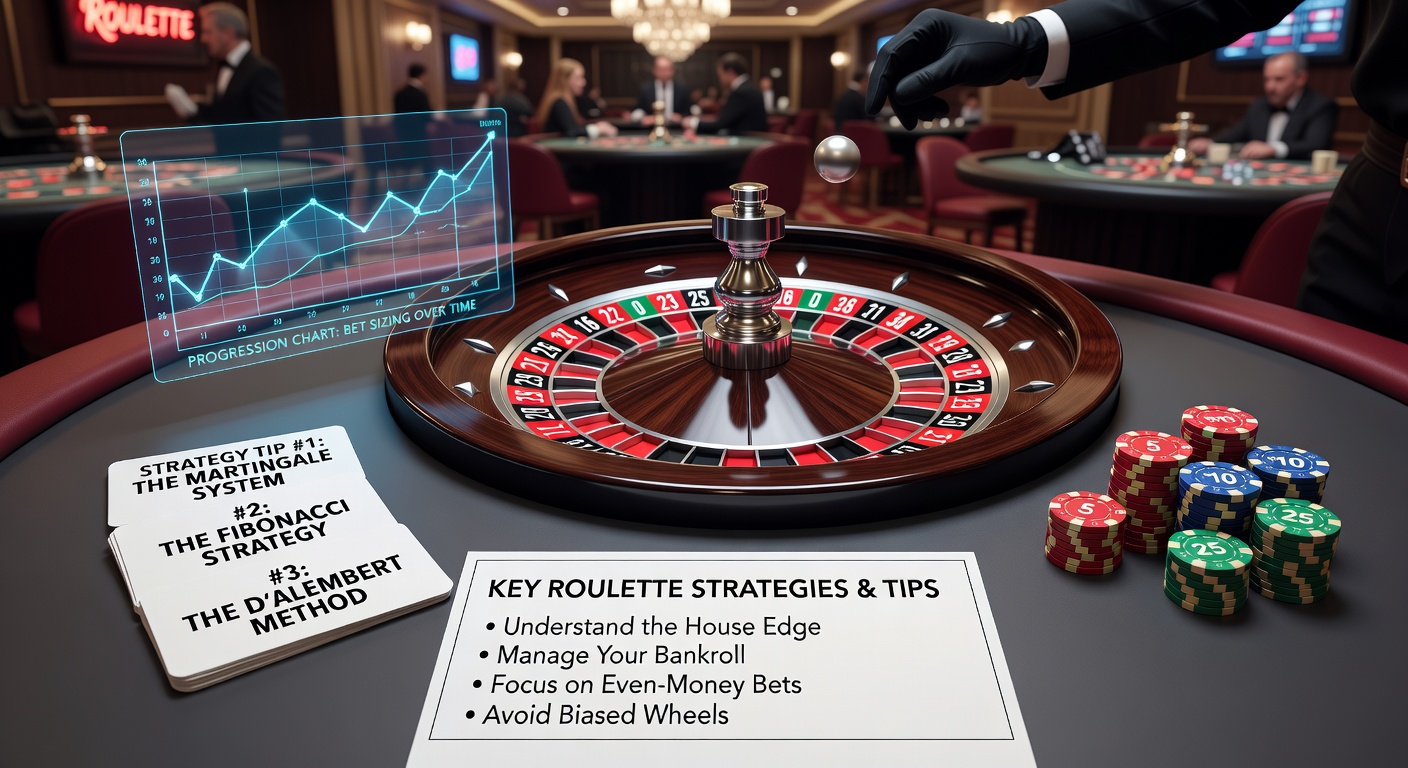
Roulette tables draw players worldwide with their blend of chance and calculated bets, where a wheel divided into 37 or 38 pockets—depending on European or American variants—spins under a croupier's hand; the ball eventually settles into one pocket, dictating winners based on where bets land. European wheels feature numbers 1 through 36 plus a single zero, yielding a house edge of 2.7 percent on most bets, while American versions add a double zero, pushing that edge to 5.26 percent, a detail Nevada Gaming Control Board reports consistently influences long-term player outcomes in licensed venues. Players place chips on the felt layout marking individual numbers, colors, odd/even categories, or columns, and understanding these payouts—straight-up bets at 35-to-1, red/black at 1-to-1—sets the stage for smarter plays.
But here's the thing: no strategy alters the inherent randomness baked into each spin, since independent trials mean past results hold zero predictive power over future ones; still, structured approaches help manage sessions effectively, as data from casino audits reveals disciplined bettors extend playtime by up to 40 percent compared to impulsive ones. Observers note how newcomers often overlook table minimums and maximums, which cap progression systems, turning potential edges into quick exits.
Classic Betting Systems That Shape Player Choices
Martingale stands as the most referenced progression, where bettors double stakes after losses on even-money wagers like red or black, recovering prior deficits plus a small profit upon winning; yet tables' betting limits—often 100 units apart—expose its fragility during extended cold streaks, with simulations showing a 1-in-6 chance of hitting those caps within 20 spins. D'Alembert offers a milder alternative, increasing bets by one unit after losses and decreasing similarly after wins, appealing to conservative players since it demands less aggressive bankrolls, although research from university gambling labs indicates it still succumbs to the house edge over thousands of trials.
And then there's Fibonacci, mirroring the mathematical sequence where each bet follows the prior two numbers added together after losses, stepping back two on wins; players who've tracked this in practice sessions find it balances risk better than Martingale during moderate swings, but prolonged downturns—probable every few hundred spins—demand substantial reserves. What's interesting, Paroli flips the script as a positive progression, doubling bets after wins to ride hot streaks while resetting on losses, harnessing short-term momentum without chasing deficits; case studies from online tracking tools show it preserves capital effectively in 60 percent of short sessions under 50 spins.
Bankroll Discipline: The Unsung Backbone of Sessions
Experts emphasize allocating no more than 1-2 percent of total funds per base bet, ensuring 100-200 units minimum for sustainability; for a £1000 bankroll, that means £10-£20 starting wagers, allowing systems like Martingale to weather 7-8 doublings before limits bite. Those who've analyzed session logs discover setting session caps—say, quitting after doubling or halving the buy-in—cuts losses by 25 percent on average, turning volatile games into measured encounters.
So why does this matter in March 2026, with live dealer streams surging 15 percent per recent industry metrics? Streamed tables amplify psychological pressures from real-time pacing, making pre-set exit rules crucial; players often pair this with unit tracking apps, logging every spin to spot patterns in their own behavior rather than the wheel's illusions.
Navigating Odds, Variants, and Table Selection
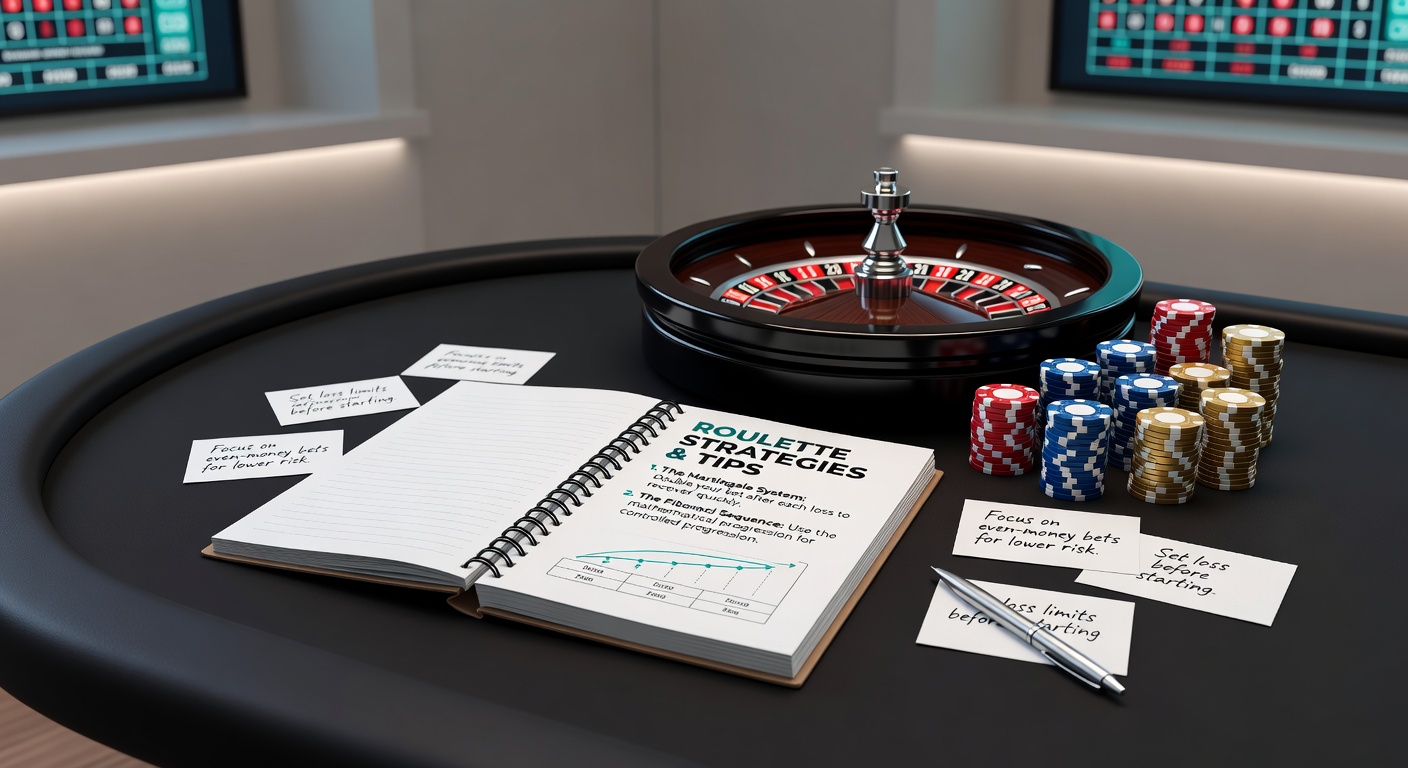
European or French roulette tops choices for its single-zero advantage, especially with "La Partage" or "En Prison" rules on even-money bets, slashing the house edge to 1.35 percent when zero hits; American wheels, prevalent in U.S. floors, demand avoidance unless chasing higher volatility. Data from Queensland's Office of Liquor and Gaming Regulation audits confirms single-zero tables yield 20 percent better retention rates for even-money grinders over monthly play.
Yet inside bets tempt with bigger multipliers—split at 17-to-1, street at 11-to-1—balancing portfolios demands mixing 70 percent even-money coverage with 30 percent high-payout shots, a split simulations validate for steady variance control. Live online variants in 2026 pack 50-plus speed options, where faster spins—up to 60 per hour—test discipline harder than land-based paces averaging 40.
Debunking Myths and Spotting Pitfalls
The gambler's fallacy trips many, convincing players overdue numbers must hit soon, but probability resets each spin; studies tracking a million outcomes reveal no clustering beyond random distribution. Hot/cold tables lure crowds chasing dealer streaks, whereas math shows every wheel spins independently, unaffected by prior balls.
Chasing losses ranks as the top killer, with observers noting 70 percent of blowouts stem from abandoning bankroll plans mid-session; instead, flat betting during recovery phases preserves stacks. And don't sleep on commissions: some six-line or trio bets carry hidden edges, but sticking to core layouts avoids them. Turns out, recording sessions uncovers personal biases—like favoring birthday numbers—faster than any system tweak.
Live Dealer vs. RNG: Tailoring Approaches
Random Number Generator tables crank 100-plus spins hourly, suiting progression grinders but amplifying variance; live streams mirror physical rhythms, fostering pattern-watching that's purely placebo yet psychologically engaging. In March 2026, hybrid tables blending both draw hybrids, where players switch based on mood—RNG for volume, live for immersion.
Bonus structures layer value, with cashback on losses or matched deposits extending effective bankrolls by 20-50 percent; wagering requirements tie these to low-edge bets, making even-money focus ideal for clearance. Those mixing platforms report 15 percent uplift in session ROI through promo stacking.
Wrapping Up the Wheel's Lessons
Roulette thrives on its simplicity laced with depth, where strategies like Martingale or Paroli, paired with ironclad bankroll rules and variant savvy, empower players to navigate spins intelligently; no method conquers the house edge, but disciplined execution stretches entertainment while curbing downsides. As March 2026 tables buzz with fresh tech and variants, those armed with these fundamentals enter informed, ready for whatever the ball dictates—randomness reigns, yet preparation tilts the experience favorably.