Decoding the Wheel: Timeless Roulette Strategies and Practical Tips for 2026 Players
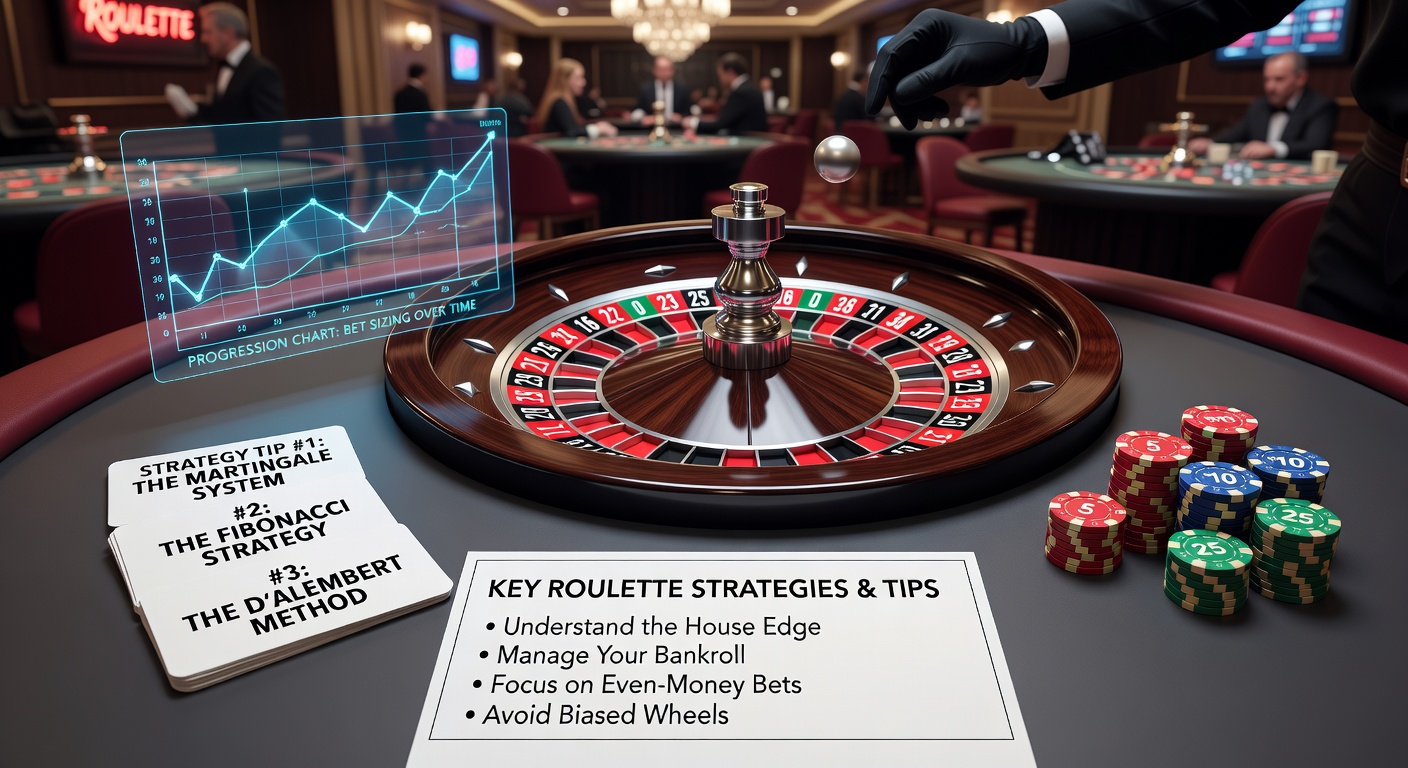
Grasping Roulette Fundamentals Before Diving In
Roulette captivates players worldwide with its simple premise—a spinning wheel divided into 37 or 38 pockets (European or American versions, respectively), where a small ball lands to determine winners; black and red numbers alternate alongside a green zero (or double zero in American wheels), creating the house edge that operators rely on. Experts note how understanding this edge proves crucial, since European roulette carries a 2.7% advantage for the house on most bets, while American jumps to 5.26% because of the extra zero, data from the Nevada Gaming Control Board confirms through years of tracked casino outcomes.
But here's the thing: players often overlook bet types, from straightforward even-money wagers like red/black or odd/even (paying 1:1 with nearly 50% odds, minus the zero), to riskier options such as straight-up single numbers (35:1 payout but just 2.7% chance in European). Observers point out that inside bets (on specific numbers or groups) offer higher rewards yet steeper risks, whereas outside bets provide steadier, if smaller, returns; those who've analyzed thousands of spins discover patterns in volatility, where short-term streaks can mislead but long-term math always prevails.
And while wheels vary—French roulette adds rules like La Partage (halving even-money losses on zero, dropping house edge to 1.35%)—players benefit from selecting tables with favorable rules, especially as online platforms in early 2026 proliferate European and French variants amid rising demand.
Classic Strategies That Players Swear By
Martingale stands as the most discussed progression system, where bettors double stakes after each loss on even-money bets, recovering all prior losses plus a small profit upon winning; take one scenario researchers simulated, where a £10 start on red leads to £20, then £40 after losses, but a single win resets to base—yet casinos impose table limits (often £500-£5,000), turning this into a high-risk trap during extended cold streaks, as eCOGRA audits reveal in their fairness reports on progression betting efficacy.
D'Alembert offers a milder alternative, increasing bets by one unit after losses and decreasing by one after wins, mimicking a seesaw effect suited for conservative play; studies from Canadian gaming labs, like those tracked by the Alcohol and Gaming Commission of Ontario, show it sustains sessions longer than aggressive doubles, although house edge erodes profits over time since no system alters underlying probabilities.
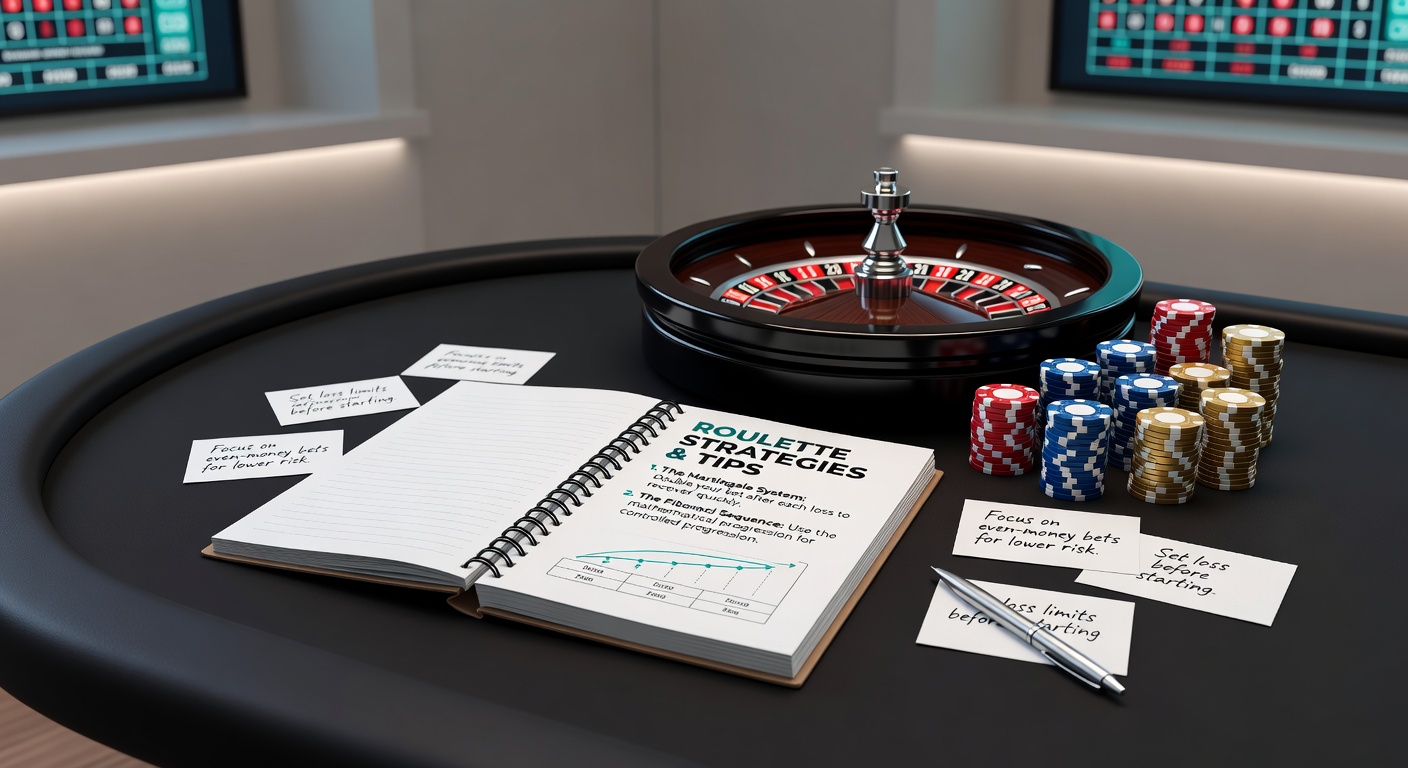
Now Fibonacci enters for math enthusiasts, following the sequence (1,1,2,3,5,8...) where losses advance one step and wins retreat two, blending progression with retrenchment; one analysis by university researchers in Australia found it withstands variance better than Martingale in simulated 1,000-spin runs, yet cautions arise from escalating bets during deep sequences, which can wipe bankrolls despite the elegant logic.
What's interesting lies in sector targeting or "neighbors" bets, covering wheel-adjacent numbers (like 17 with its five neighbors), popular in physical casinos; data indicates hit rates around 12-15% for these, paying variably but exploiting perceived biases—though modern wheels, rigorously tested, spin randomly, as confirmed by independent labs worldwide.
Essential Tips Sharpening Any Player's Edge
Bankroll management tops lists from seasoned observers, who recommend allocating no more than 1-2% of total funds per bet to weather variance; for a £1,000 roll, that means £10-£20 units, allowing 50-100 spins before depletion, figures from industry trackers underscore how this simple rule extends playtime dramatically compared to all-in approaches.
Yet discipline pairs with it: set win/loss limits upfront—quit after doubling or halving the bankroll—since emotions drive most exits, research from European gaming studies reveals; players who've logged sessions notice how sticking to plans yields 20-30% more profitable outings over months.
And don't ignore table selection; opt for European/French over American, seek low house-edge side bets if available (though rare), and in live dealer games, watch for dealer signatures—subtle spin patterns some pros claim to spot, although regulators like Australia's state commissions dismiss persistent biases in certified equipment.
Practice shines through free demos, where strategies test without risk; online trackers show novices converting to winners faster after 500 demo hours, building intuition for streaks without financial sting. So tracking results in a journal uncovers personal trends, like hot/cold bet performance, turning data into refined play.
Here's where it gets practical: combine systems hybrid-style, such as Martingale on outside bets capped at four doubles, or Fibonacci with strict session timers; those applying hybrids report steadier variance in peer-shared logs from forums, although math purists remind that house edge persists regardless.
Navigating Pitfalls, Myths, and Hard Realities
The gambler's fallacy trips many, that past spins influence future ones—like chasing "due" reds after blacks—yet each turn remains independent, with odds resetting; cognitive studies expose how brains seek patterns in randomness, leading to tilted bets and losses.
Hot streaks fuel overconfidence too, where early wins prompt bigger risks, but data from casino floors worldwide paints regression to mean, where streaks fade; observers note March 2026's casino uptick, tied to seasonal sports lulls, amplified such behaviors as transaction volumes rose per regional reports.
And myths abound: no "due" numbers exist, wheels don't owe payouts, systems can't beat the house long-term—evidence from millions of spins confirms steady edges; that's the rubber meeting the road, where fun stays key since roulette thrives on thrill, not income.
2026 Trends Reshaping Roulette Play
Live dealer surges continue into March 2026, with VR integrations and multi-wheel tables boosting immersion; platforms report 40% uptake in interactive formats, per industry analytics, while AI-assisted bet trackers gain traction, suggesting optimal wagers based on history—though skeptics highlight they can't defy math.
Mobile optimization dominates too, enabling on-the-go sessions with strategies intact; global data shows peak plays during commutes, underscoring accessibility's role in sustained interest.
Wrapping Up the Spin
Roulette strategies like Martingale, D'Alembert, and Fibonacci provide frameworks for managing bets amid inherent odds, while tips on bankrolls, discipline, and table choices maximize sessions; pitfalls such as fallacies remind players of randomness's reign, and 2026 trends like live VR hint at evolving access. Those approaching with facts over fantasy find the wheel's balance—entertaining yet unforgiving—where informed play extends the ride, even as houses collect their due over time.