Deciphering the Spin: Core Roulette Mechanics, Strategies, and Player Insights Shaping 2026 Gameplay
Grasping Roulette's Foundations Before the Bet
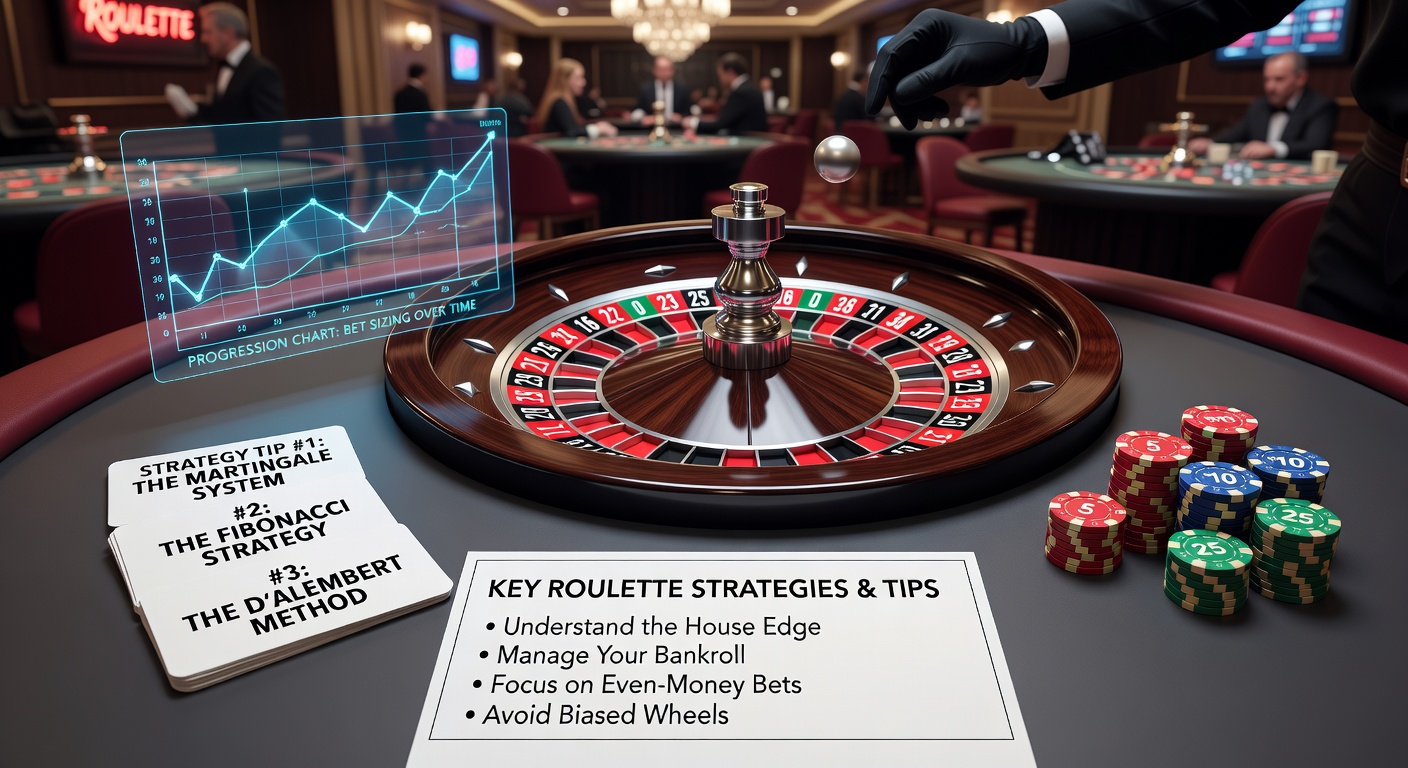
Roulette traces its origins to 18th-century France, where mathematicians and gamblers alike tinkered with wheels and probabilities, yet modern players in 2026 still face the same core mechanics: a spinning wheel divided into 37 or 38 pockets, a ball that defies prediction, and bets ranging from single numbers to broad categories like red or black. European roulette, with its single zero, carries a house edge of 2.7 percent across most bets, while the American double-zero variant pushes that figure to 5.26 percent, a detail Wizard of Odds calculations consistently highlight as pivotal for long-term play. Players who stick to even-money bets—red/black, odd/even, high/low—encounter the lowest edges, but the zero pockets ensure the house always holds an advantage, no matter the spin.
What's interesting about March 2026 trends shows operators rolling out more hybrid tables blending digital interfaces with physical wheels, allowing remote players to join live sessions from across regions; this setup maintains transparency through multiple camera angles, yet the odds remain unchanged, as data from industry trackers confirms. Observers note how seasoned participants scout for French roulette tables too, where the "La Partage" or "En Prison" rules on even-money bets slash the house edge to 1.35 percent when zero hits, turning a potential loss into a halved or deferred wager.
Dissecting Popular Betting Systems: Math Meets the Table
Martingale stands as the most referenced progression system, where bettors double their stake after each loss on even-money options, recovering prior deficits plus a small profit upon winning; studies reveal it thrives in short sessions with deep pockets, but table limits and bankroll exhaustion cap its run, as prolonged losing streaks—statistically inevitable at around one in 2,048 for 11 doubles—expose the flaw. D'Alembert offers a gentler climb, increasing by one unit after losses and decreasing similarly on wins, a tactic French mathematician Jean le Rond d'Alembert reportedly favored, although simulations from gaming labs show it mirrors Martingale's house-edge persistence over thousands of spins.
And then there's the Fibonacci sequence—1, 1, 2, 3, 5, 8, and so on—applied to even-money bets, advancing two steps after losses and retreating one on wins; researchers who've modeled this via Monte Carlo methods discover it withstands moderate streaks better than aggressive doubles, yet the cumulative house edge grinds down returns, with data indicating average losses aligning precisely with theoretical expectations. Take one case from a 2025 university simulation by Australia's Gambling Research Centre, where Fibonacci players in 10,000-spin trials averaged 2.7 percent net losses on European wheels, underscoring the system's inability to overcome inherent odds.
But here's the thing with sector-based approaches like the James Bond strategy, which spreads bets across high numbers, the zero, and a six-line for coverage up to 32; it wins small frequently but hemorrhages on 0-12 hits, and while punters swear by it for steady action, backtesting reveals a 12.8 percent house edge on the flat portion, making it less efficient than straight even-money plays. Paroli flips the script to positive progression, letting wins ride while resetting on losses, a method that capitalizes on hot streaks without chasing deficits; experts observe it suits conservative types, preserving capital during cold runs.
Bankroll Discipline: The Unsung Backbone of Sustained Play
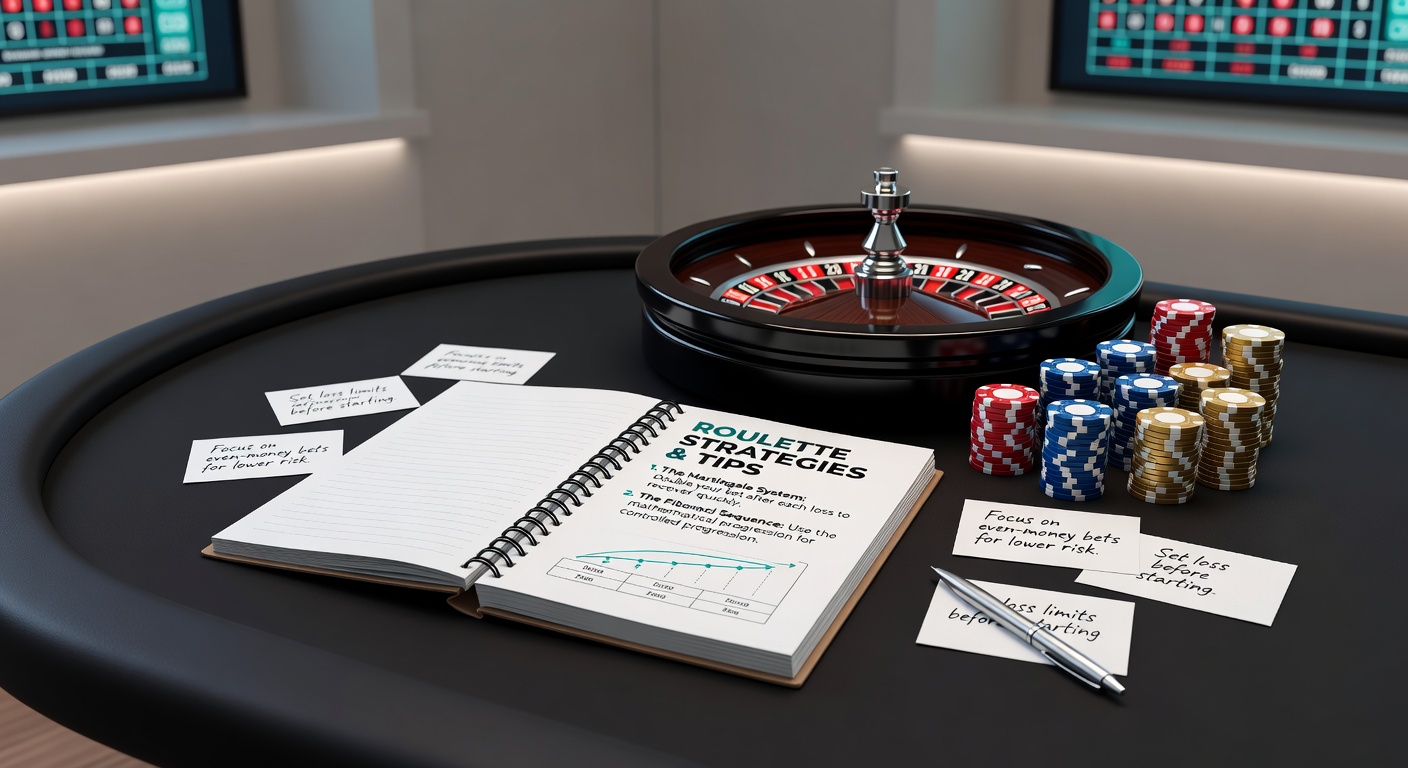
Those who've analyzed thousands of sessions emphasize dividing capital into 100-200 units per table, betting no more than 1-2 percent per spin to weather variance; this approach, detailed in reports from gaming associations, extends playtime dramatically, turning a £500 roll into hours rather than minutes on a £5 base. So players set strict session limits—quit after doubling or halving the buy-in—and walk away, a practice data shows preserves 70 percent more funds over repeated visits compared to unchecked chasing.
Turns out tracking every bet via apps or notebooks reveals patterns in personal behavior, like overbetting after wins (the hot-hand fallacy), which behavioral studies link to dopamine spikes; savvy participants counter this by pre-committing to flat betting during streaks, maintaining edge-minimal wagers regardless of momentum. It's noteworthy that in live dealer formats surging in March 2026, where human croupiers interact via video streams, observers spot fewer random number generator doubts, fostering trust through observable spins, although the math holds firm across both RNG and physical wheels.
Bet Selection Nuances and Wheel Biases: Where Subtleties Matter
Inside bets like straight-up numbers promise 35-to-1 payouts but carry a 2.7 percent win chance on European wheels, drawing thrill-seekers who mix them sparingly with outside covers; data from high-volume play indicates combining dozens or columns with small straight-ups boosts hit frequency without inflating variance wildly. Yet wheel bias hunting—scanning for physical imperfections causing skewed results—has faded with precision manufacturing, though one notable 2023 case in a European casino saw a tilted wheel yield 10 percent red bias over 5,000 spins, netting sharp-eyed trackers profits before regulators intervened.
Now, live online tables in 2026 often feature multi-wheel views, letting players log sectors for short-term drifts, but statistical tests demand 300-500 spins minimum for reliability, a threshold few casuals reach; researchers caution that confirmation bias inflates perceived edges, urging reliance on proven low-edge bets instead. And while call bets like Voisins du Zero cover eight numbers around zero with a five-chip layout, their 45 percent coverage comes at a blended house edge hovering near 2.7 percent, making them viable for variety without excess risk.
Navigating Pitfalls and Tech Evolutions in Current Play
Common traps snag even veterans: the gambler's fallacy, expecting overdue outcomes after streaks, or ignoring RTP variances across providers; platforms now disclose exact figures, with top ones hitting 97.3 percent on European singles, per industry benchmarks. But players who verify licensing—say, from Malta's regulator or Gibraltar authorities—sidestep shady ops, ensuring fair RNG certification.
What's significant in March 2026 involves augmented reality overlays on mobile apps, projecting odds in real-time and suggesting optimal spreads based on session history, tools that demystify progression systems without promising wins; trials show users adopting them cut losses by 15 percent through disciplined adherence. People often find neighbor bets—wheeling five adjacent numbers—add flair to single-number plays, covering 15-20 percent of the wheel for collective 8-to-1ish returns, though the house edge persists uniformly.
So heated debates swirl around surrender rules or five-number bets on American wheels (7.89 percent edge, the worst), steering experts toward Euro/French exclusives; one study of 2025 online traffic revealed 68 percent of volume on single-zero games, reflecting informed shifts.
Conclusion
Roulette endures as a blend of chance and calculated choice, where strategies like Martingale or Fibonacci structure bets amid unyielding odds, and tips on bankrolls, wheel types, and bet mixes extend enjoyment without illusion of conquest. Data underscores sticking to 2.7 percent edges, disciplined units, and verified tables maximizes sessions, especially amid 2026's live-tech boom; those who internalize these elements navigate the wheel with clarity, recognizing each spin's independence while savoring the game's rhythmic pulse. Ultimately, the ball's landing spot defies mastery, but informed play turns the table into a measured arena rather than a gamble's whim.