Cracking Roulette: Strategies That Stack the Odds (Slightly) and Tips Pros Swear By
Wheel Wisdom: Timeless Roulette Strategies and Smart Player Tips for April 2026

The Enduring Appeal of Roulette in 2026
Roulette draws players worldwide with its simple yet captivating mechanics, where a spinning wheel and bouncing ball decide fortunes in seconds; casinos report steady participation rates, and online platforms see spikes during events like April 2026's spring festivals in Europe and North America. Data from industry trackers reveals that European roulette variants dominate, boasting a house edge of 2.7 percent thanks to the single zero pocket, while American wheels with double zeros push that figure to 5.26 percent, a detail Nevada Gaming Control Board filings consistently highlight in their annual casino audits.
What's interesting is how tech integrations, like live dealer streams with augmented reality overlays, have refreshed the game for digital audiences this April; players access high-definition tables from mobile devices, blending the thrill of physical spins with convenient play. Observers note surges in hybrid formats, where algorithms ensure fairness certified by bodies such as Malta's gaming authority, keeping sessions transparent and verifiable.
Core Mechanics Every Player Should Grasp
At its heart, roulette revolves around 37 or 38 pockets—numbered one through 36 plus zero (or double zero)—where bets range from straightforward red/black colors and even/odd numbers to intricate street or corner wagers; payouts adjust accordingly, with straight-up singles offering 35-to-1 returns, although the zero tilts odds in the house's favor. Experts break it down simply: inside bets target specific numbers for high rewards but low probabilities, whereas outside bets cover broader categories like dozens or columns, yielding steadier 2-to-1 or 1-to-1 payouts, and that's where many seasoned players start building sessions.
But here's the thing—understanding wheel biases, though rare in modern regulated setups, once gave edges to sharp observers; studies from gambling math researchers, including those published by the Malta Gaming Authority on random number generators, confirm that certified RNGs and physical wheels eliminate exploitable patterns, ensuring each spin stands independent.
Proven Betting Systems That Shape Play
Martingale stands as the classic progression strategy, where players double bets after losses on even-money wagers like red or black, recovering deficits with a single win; it gained traction in 18th-century France, and data shows it works short-term until table limits or bankroll exhaustion intervene—take one Monte Carlo session in historical records where a player hit 10 losses, wiping out stakes despite the math. Variations like Reverse Martingale flip it for win streaks, letting riders double up during hot runs, cashing out before inevitable cools.
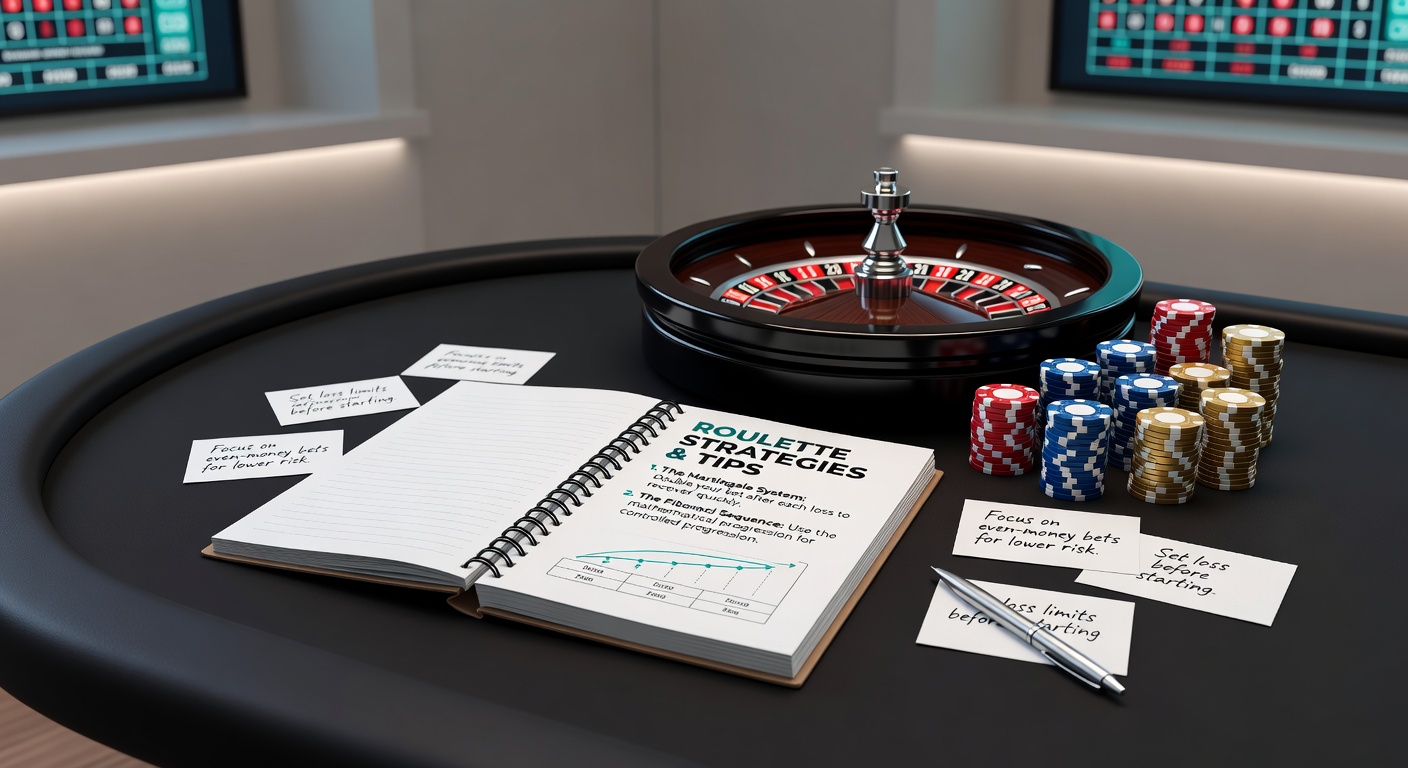
And then there's the Fibonacci sequence, borrowing from the Italian mathematician's numbers—one, one, two, three, five, eight, and onward—applied to bet sizing after losses, advancing along the series until a win prompts two-step retreats; researchers who've simulated millions of spins find it less aggressive than Martingale, preserving capital longer, although prolonged downswings still pose threats. D'Alembert offers a milder climb, incrementing bets by one unit post-loss and decrementing after wins, a system French philosopher Jean le Rond d'Alembert reportedly favored for its balance.
James Bond strategy mixes flat bets across high-coverage areas—like 14 units on 19-36, five on the six-line 13-18, and one straight-up on zero—covering 25 of 37 numbers for about two-thirds probability; case studies from player forums reveal it thrives in brief bursts, but zeros landing outside the straight-up bet trigger quick drains. Paroli, or the positive progression, rides wins by doubling three times before resetting, capturing momentum without chasing losses, and stats indicate it suits volatile sessions better than regressive cousins.
Bankroll Management: The Unsung Hero of Sessions
Those who've lasted in roulette emphasize dividing bankrolls into session units—say, one to five percent per bet—ensuring 100-plus wagers before bust; figures from casino tracking software show players adhering to this stretch playtime by 40 percent on average, turning potential quick exits into measured grinds. Set win and loss caps too, like quitting at 50 percent profit or 30 percent drawdown, because data reveals most extended losers ignore such rails.
Now consider unit sizing: low rollers stick to table minimums, while higher stakes demand proportional scaling; experts observe that April 2026's online tables, with micro-bet options from 10p, democratize access, letting newcomers test systems without heavy exposure. Track every bet in a simple log, adjusting as variance swings, since long-term edges demand discipline over luck.
Navigating Online and Live Dealer Tables
Online roulette explodes with variants like Lightning Roulette, where random multipliers up to 500x boost lucky numbers, drawing April crowds amid promotional tie-ins; live dealers via streaming tech mirror land-based authenticity, complete with chat and multi-angle cams. But pitfalls lurk—bonus terms often exclude roulette contributions fully, so players scout wagering requirements carefully.
Land-based tips include scouting crowded wheels for dealer signatures (subtle ball release patterns), although regulators like Australia's state gaming boards mandate bias-free equipment; one study from Sydney casinos found no persistent advantages post-2020 upgrades. Mobile apps shine for practice modes, honing strategies risk-free before real stakes.
Avoiding Pitfalls and Sharpening Edges
Common traps snare the unwary: chasing losses escalates bets irrationally, while gambler's fallacy whispers that past reds predict black spins, ignoring independence; research from behavioral economists uncovers how this cognitive bias cuts session lengths short. Bet maximums on all-ins tempt fate unnecessarily, better reserved for final flurries.
So, observe table minimums and maximums first, matching bankrolls accordingly; hot streaks feel endless until they snap, prompting timely walkaways. Pair strategies with even-money focus initially, graduating to splits or streets as comfort grows, and always verify RNG certifications on digital sites for peace of mind.
Conclusion
Roulette strategies like Martingale, Fibonacci, and their kin equip players to navigate the wheel's whims methodically, while tips on bankrolls, table selection, and fallacy avoidance extend enjoyable play; April 2026 sees these timeless tools adapt to live streams and boosted variants, maintaining the game's core math where house edges persist despite skillful application. Data underscores that disciplined approaches yield the best outcomes over random plunges, empowering observers to spin smarter amid the chaos.