Beyond the Spin: Comprehensive Roulette Methods and Essential Advice Shaping Play in August 2026
Theo Lange · Aug 11, 2026

Beyond the Spin: Comprehensive Roulette Methods and Essential Advice Shaping Play in August 2026
Players encounter roulette as a game built on a spinning wheel divided into numbered pockets that alternate between red and black with a single or double zero, and the core mechanics remain consistent across European, American, and French variants even as August 2026 brings fresh table configurations to various gaming floors. Observers note that European wheels carry a house edge of 2.7 percent while American wheels sit at 5.26 percent because of the extra zero, facts drawn from probability calculations that researchers have verified through repeated simulations. Those who study the layout discover that inside bets cover specific numbers with higher payouts but lower hit rates whereas outside bets such as red or black offer closer to even-money returns with greater frequency.
Core Betting Approaches Used by Players
Many participants apply structured progressions that adjust wager sizes based on previous outcomes, and the Martingale system stands as one example where a player doubles the bet after each loss while returning to the original stake upon a win, which mathematically recovers all prior losses plus one unit when a win eventually occurs though it requires substantial bankrolls to withstand extended losing streaks. Data from gaming simulations shows that this approach performs steadily over short sessions yet faces table limit constraints that can halt the progression. Another method known as the Fibonacci sequence relies on adding the two previous bets to determine the next stake after a loss and stepping back two places after a win, creating a slower escalation that some players prefer because it reduces the risk of rapid bankroll depletion compared with more aggressive doubling tactics.
The D'Alembert system offers a milder alternative by increasing the bet by one unit after a loss and decreasing it by one unit after a win, a pattern that aligns with the idea of balancing wins and losses over time although mathematical analysis confirms it does not overcome the house edge built into the wheel itself. Researchers at institutions focused on probability theory have demonstrated through large-scale modeling that no progression alters the fundamental odds, yet these systems continue to attract attention because they provide a framework for managing bet sizes during extended play periods.
Bankroll Management and Table Selection Practices
Effective bankroll management begins with setting strict loss limits before entering a session, and figures from industry reports indicate that players who allocate no more than 5 percent of their total funds to any single table tend to extend their playing time while reducing the chance of rapid depletion. Those who examine payout structures find that French roulette variants often include the "en prison" rule on even-money bets, which returns half the stake when zero appears and thereby lowers the house edge to 1.35 percent on those specific wagers. In August 2026 several venues introduced updated electronic displays that track recent outcomes, allowing participants to review historical spins without altering the random nature of each independent result.
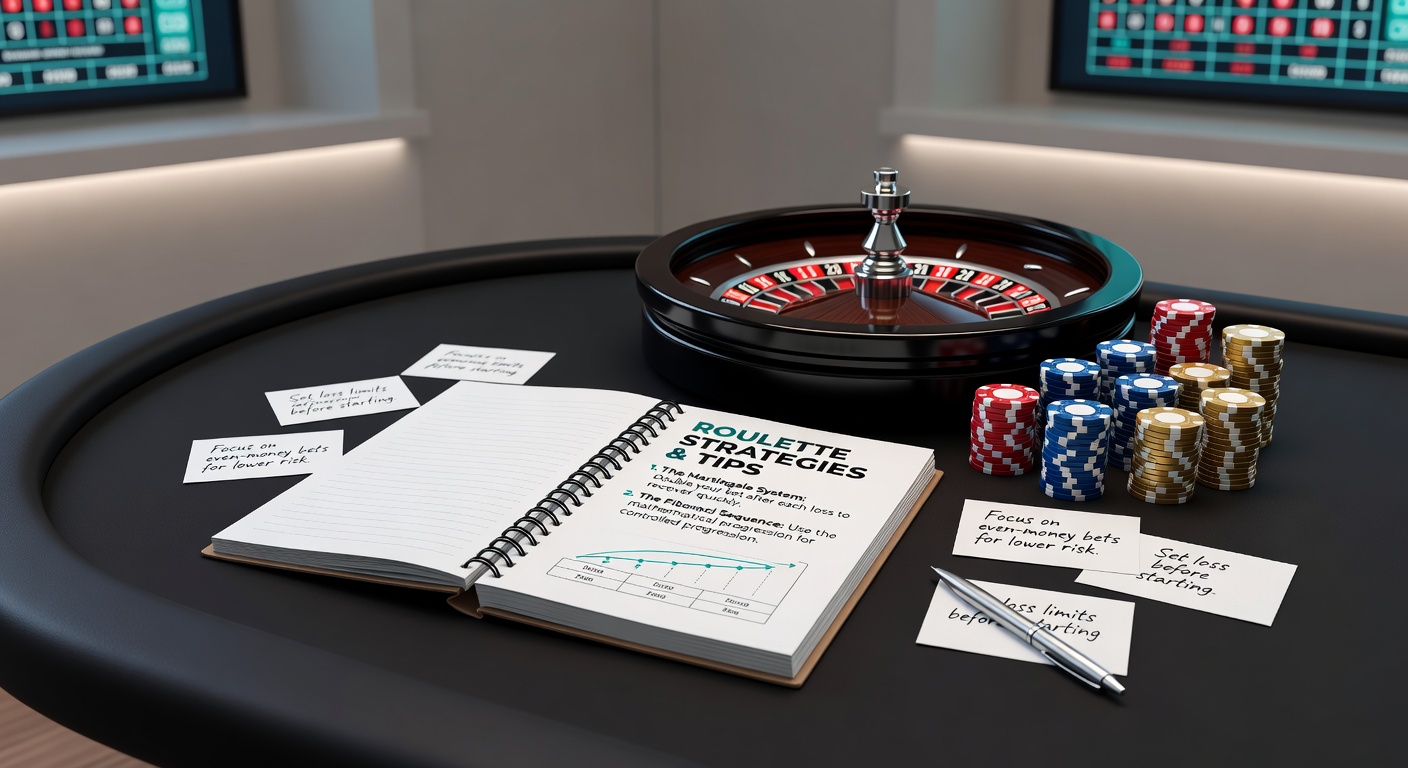
Table selection plays a role because European and French wheels present more favorable odds than their American counterparts, a distinction confirmed by regulatory data compiled across multiple jurisdictions. Players often review minimum and maximum bet limits in advance since these boundaries directly influence the viability of progression systems that require repeated doubling. External resources such as those published by the American Gaming Association provide aggregated statistics on game performance across North American casinos, while reports from the Australian Gambling Research Centre offer comparative insights into player behavior patterns observed in similar markets.
Understanding Odds and Common Misconceptions
Each spin operates independently so previous results hold no predictive value for future outcomes, a principle established through statistical independence that counters the gambler's fallacy where individuals mistakenly believe a long series of reds increases the likelihood of black on the next turn. Evidence from controlled experiments demonstrates that the wheel maintains consistent probability distributions regardless of recent history, which explains why tracking hot or cold numbers yields no mathematical advantage. Observers note that players sometimes combine multiple outside bets such as red with a column bet to cover more of the layout, yet the combined payout ratios still reflect the underlying house edge present on every wager.
Practical Tips for Extended Sessions
Setting time limits alongside monetary limits helps maintain focus during longer visits, and data indicates that sessions exceeding two hours correlate with increased error rates in bet placement among participants who have not established clear boundaries beforehand. Those who review the layout before placing chips discover opportunities to use neighbors bets on European wheels, which cover adjacent numbers and provide coverage similar to inside bets while remaining within the outside betting framework. In August 2026 several properties reported increased interest in live dealer streams that replicate physical wheel mechanics through high-definition feeds, allowing remote players to observe the same random outcomes generated by certified equipment.
Conclusion
Roulette remains governed by fixed probabilities that no strategy can override, yet the documented methods and selection practices described here supply frameworks that participants apply to organize their betting activity. Information compiled from regulatory bodies and research centers continues to underscore the importance of understanding house edges and setting limits before play begins, facts that hold steady across evolving table formats and delivery methods observed in 2026.