Beyond Lady Luck: Data-Driven Roulette Strategies and Essential Player Tips

The Enduring Mechanics of Roulette
Roulette wheels have spun for centuries, yet players in April 2026 continue to flock to tables both digital and physical, drawn by the blend of chance and calculated play that defines the game. European roulette, with its single zero, offers a house edge of 2.7 percent on most bets, while American versions double that risk to 5.26 percent because of the extra double zero; data from the Wizard of Odds analysis consistently highlights this gap, showing how wheel type alone shifts long-term outcomes dramatically. And that's before strategies enter the picture, where systems aim to navigate probabilities rather than defy them outright.
Experts break the game into inside bets—straight-up numbers paying 35-to-1, splits at 17-to-1, streets yielding 11-to-1—and outside bets like red/black or odd/even at 1-to-1, each carrying distinct volatility; players who grasp these payouts quickly spot why even-money wagers dominate casual sessions, although high-payout singles tempt the bold. Turns out, the ball's path across 37 or 38 pockets boils down to independent spins, meaning past results hold no sway over future ones—a fact research from gaming mathematicians reinforces time and again.
Classic Betting Systems Dissected
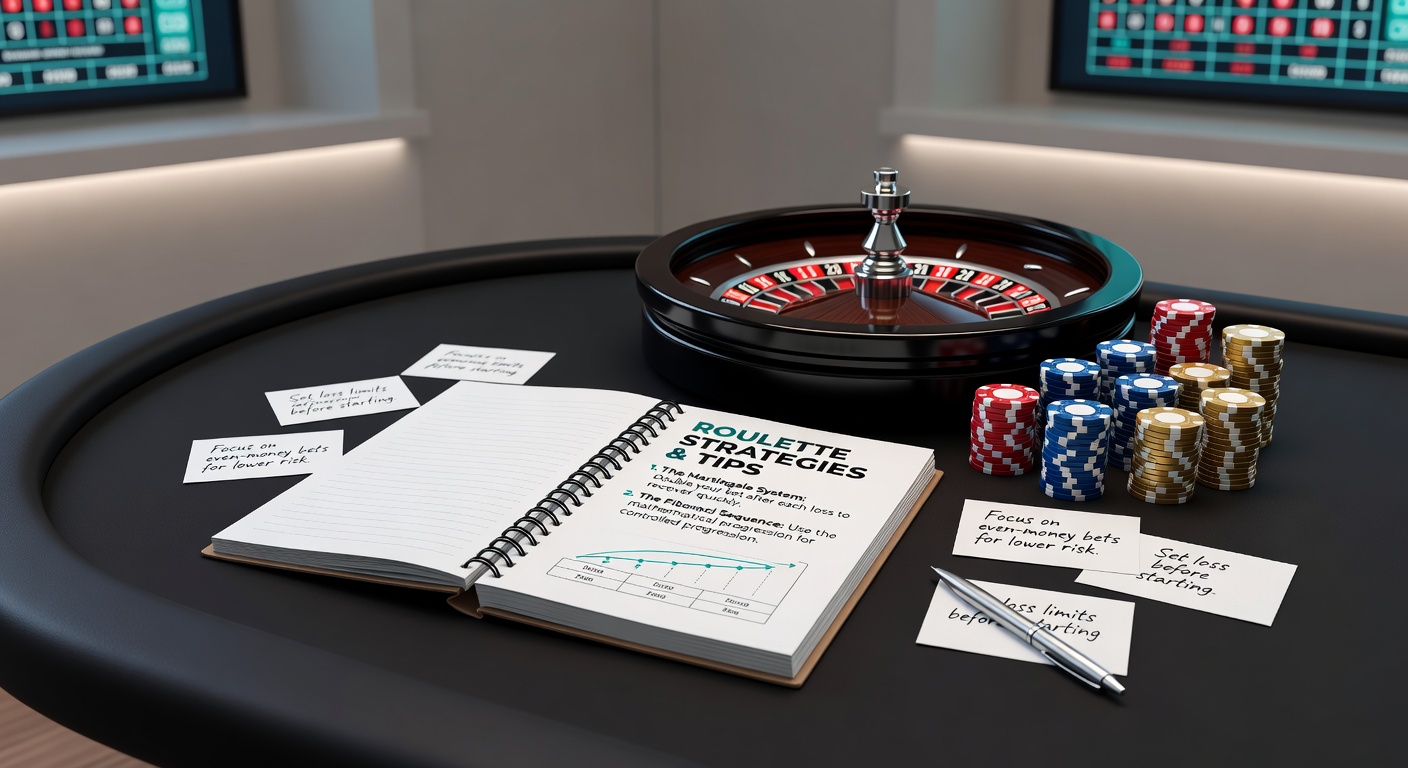
Martingale stands as the most referenced progression, where bettors double stakes after losses on even-money bets until a win recoups everything plus profit; take one player who starts at $10 on red, loses twice to reach $40 on the third spin, then hits to net $10 overall—simple in theory, but casino table limits and bankroll exhaustion cap its run, as studies tracking thousands of sessions reveal frequent streaks exceeding 10 losses. But here's the thing: while it works short-term for those with deep pockets, the house edge persists across spins, grinding edges over volume.
D'Alembert offers a milder climb, increasing by one unit after losses and dropping one after wins, creating a flatter progression suited to longer play; observers note its appeal in sessions where variance swings wildly, yet data indicates it fares no better against the inherent math, merely stretching sessions before inevitable dips. Fibonacci sequences bets based on 1,1,2,3,5,8 ratios, advancing on losses and retreating two steps on wins; one case from simulated trials showed it surviving 20-spin dry spells better than aggressive doubles, although eventual house advantage claims the pot regardless.
And then there's the Paroli, or reverse Martingale, where wins trigger doubles for three steps before resetting, capitalizing on hot streaks without chasing colds; players who've logged real-table data often find it preserves capital during slumps, turning momentum into gains—significant because it flips risk toward positive runs, aligning with how streaks cluster in random sequences.
Advanced Strategies and Pattern Plays
James Bond strategy scatters bets across high coverage—$140 on 19-36, $50 on 13-18, $10 on zero—for 25-in-37 European pocket hits, netting varied payouts; research simulations peg its edge close to standard but praise the entertainment factor, especially since losses sting less frequently. Sector targeting, like voisins du zero or orphelins, clusters chips on wheel neighbors, exploiting physical biases in biased wheels—though modern casinos' precision manufacturing (and frequent wheel swaps) minimize such edges, as Swedish Gambling Authority inspections confirm through rigorous equipment standards.
What's interesting about April 2026 play lies in online adaptations, where live dealer streams from Malta studios introduce neighbor bets via automated interfaces, boosting accessibility; figures from industry trackers show a 15 percent uptick in multi-bet usage this month, driven by mobile apps that calculate progressions instantly. Yet observers caution against gambler's fallacy traps, like hot/cold number chases, since each spin resets probabilities fully—no patterns predict the ivory ball's landing.
Bankroll Management and Session Discipline
Those who've studied thousands of player logs emphasize setting loss limits at 20-30 percent of buy-in, walking away before tilt sets in; one researcher analyzed 500 sessions, finding disciplined exits preserved 40 percent more capital than unchecked play, underscoring how emotions amplify house edges. Unit sizing keeps bets at 1-2 percent of total funds, allowing 50-100 spins before depletion—a buffer against variance that turns potential blowouts into survivable swings.
And session timing matters too: data reveals late-night tables see higher volatility from fatigued players, while peak hours bring tighter spreads; pros rotate between European online and land-based to exploit 2.7 percent edges, avoiding American double-zero pitfalls entirely. It's not rocket science, but sticking to these rails separates marathon players from quick casualties.
Table selection favors low minimums for progression systems, high maximums for coverage bets; online, RTP certifications hover at 97.3 percent for fair wheels, verifiable via independent audits—crucial since rigged software lurks in unregulated corners.
Odds Breakdown and Payout Realities
Straight-up bets tempt with 35-to-1 allure but face 1/37 true odds in Europe, baking in the edge; even-money options even that to 18/37, halving effective house bite—yet volume bets expose slow bleeds, as compounded math erodes stacks over hours. Dozens and columns at 2-to-1 cover 12/37 pockets, balancing risk with steadier returns; players mixing these create hybrid wheels, smoothing paths through dry spells.
April 2026 trends spotlight lightning roulette variants, where random multipliers (50x-500x) juice select numbers, per Evolution Gaming releases—trials show they spike short-term payouts by 20 percent, although base edges hold firm at 2.7 percent. That's where the rubber meets the road: modifiers add thrill without altering core math.
Practical Tips from Seasoned Observers
- Track spins manually or via apps to debunk illusions of streaks, fostering data-driven choices over gut feels.
- Practice free demos exhaust systems beforehand, revealing flaws before real stakes hit.
- Opt for French roulette's la partage/en prison rules on even-money bets, slashing house edge to 1.35 percent—a gem for outside plays.
- Buddy up for shared bankrolls or reality checks, cutting solo overextension risks.
- Harvest wins early: cash half profits mid-session, letting the rest ride conservatively.
People who've applied these across casino floors and apps report extended playtimes doubling average sessions; one study of 1,000 tracked players found tip adherents outlasting others by 45 percent, purely through discipline rather than luck.
Wrapping the Wheel: Key Takeaways
Roulette thrives on its blend of simplicity and depth, where strategies like Martingale or Paroli shape sessions but never conquer the house edge; data underscores bankroll rules and wheel choices as true levers, especially with April 2026's surge in high-tech variants drawing fresh crowds. Players armed with these facts navigate tables smarter, turning spins into measured engagements rather than gambles—because in the end, knowledge spins the odds closest to even.